

Access to Justice
We support victims who are unable to seek justice locally in pursuing redress through proceedings before national, regional and international courts, whenever and wherever feasible.
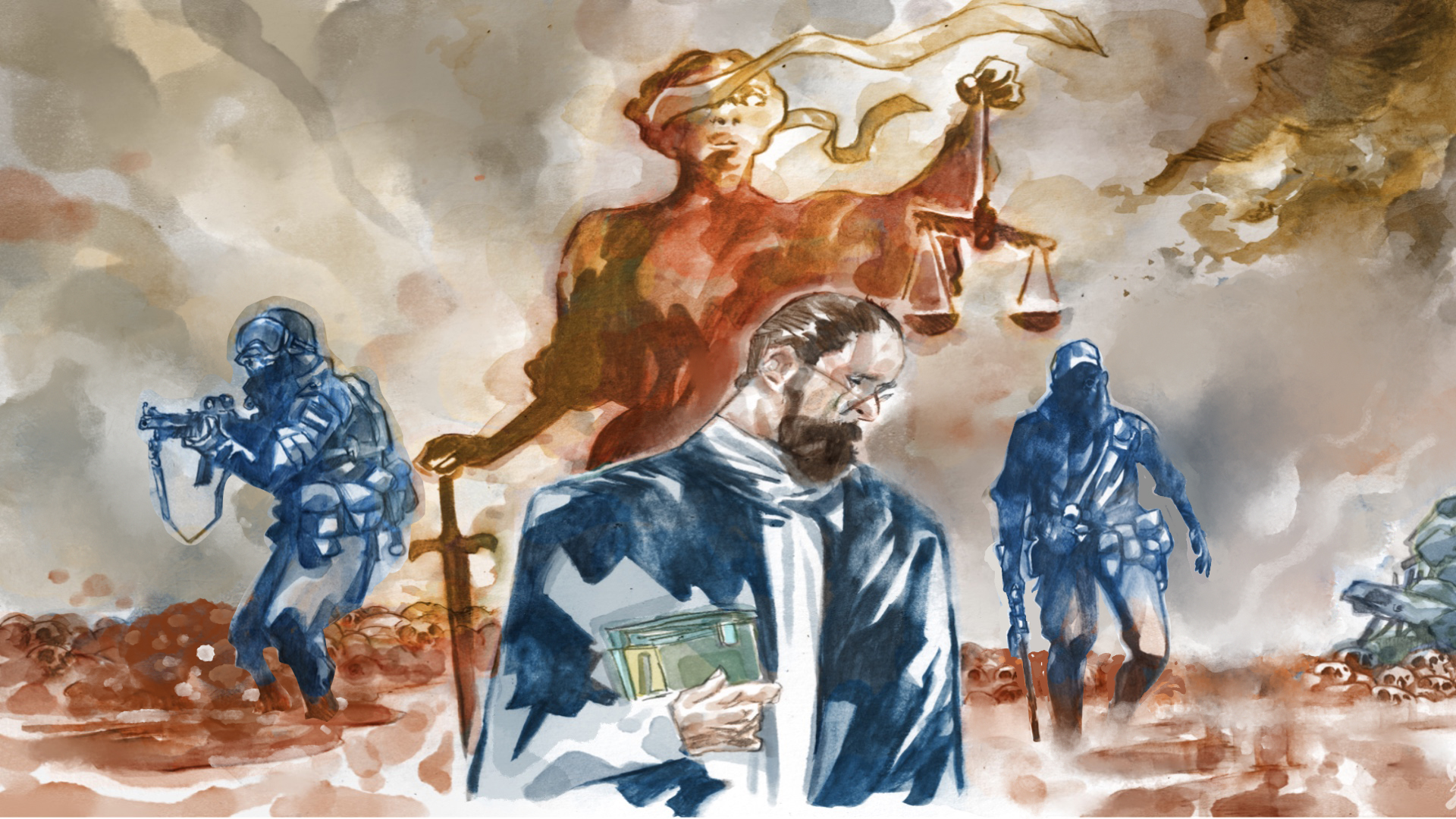
Justice for all
Justice for genocide, torture, war crimes and crimes against humanity is the exception. Victims of these crimes should have access to justice if they wish. At Civitas Maxima we break down barriers by supporting participation in criminal proceedings.
We support victims who are unable to seek justice locally in pursuing redress through proceedings before national, regional and international courts, whenever and wherever feasible.

Trials for international crimes often take place thousands of miles from the communities most affected by them. We bridge that distance — monitoring proceedings and making what happens in court accessible to those who need it most.

Lasting accountability requires local ownership. We share our expertise with civil society groups and legal practitioners so they can document crimes and navigate international justice systems themselves.
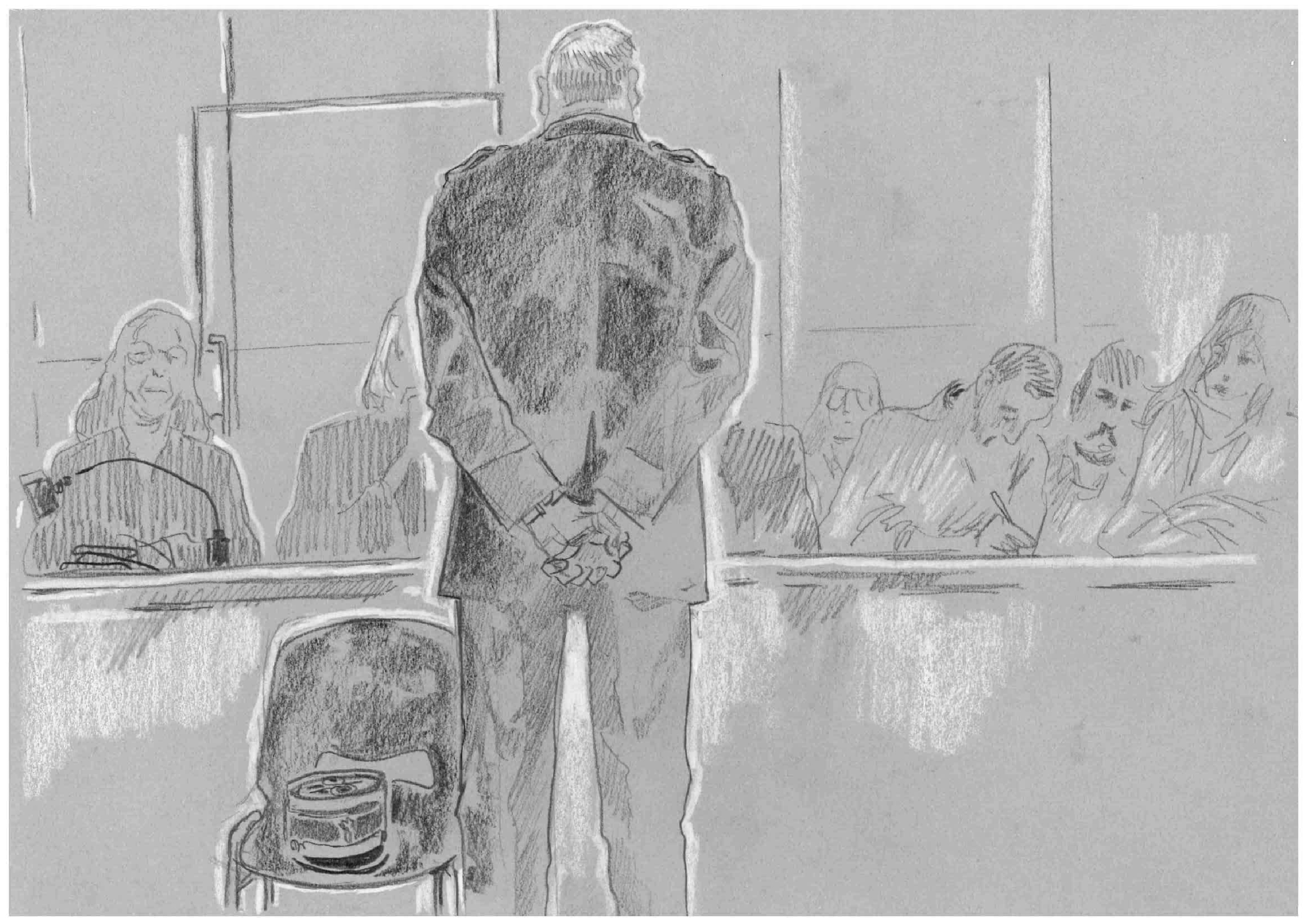
We aim to bring perpetrators to justice, beyond the borders of where the crimes occurred, before national, regional or international courts.
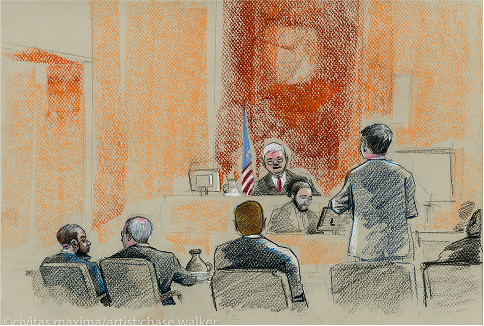
We pursue justice in situations where legal actions have failed or are impossible in the country where the crimes occurred.
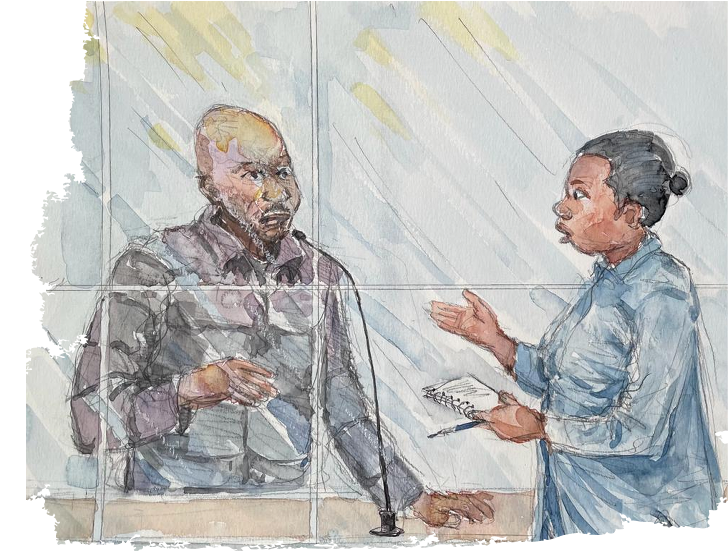
Our work has contributed to landmark convictions in Switzerland, France, and the United States, and to the first criminal proceedings for crimes committed during the Liberian civil wars.

Civitas Maxima has joined more than 180 organizations in calling on States Parties to take urgent action to protect the International Criminal Court from US sanctions.

Civitas Maxima is extending its work to Sudan, where the war between the Sudanese Armed Forces and the Rapid Support Forces (RSF) has caused one of the world’s worst humanitarian crises.

All briefs have now been filed in the BNP Paribas appeal, with Sudanese plaintiffs supported by arguments on Swiss law, sovereignty and corporate accountability.