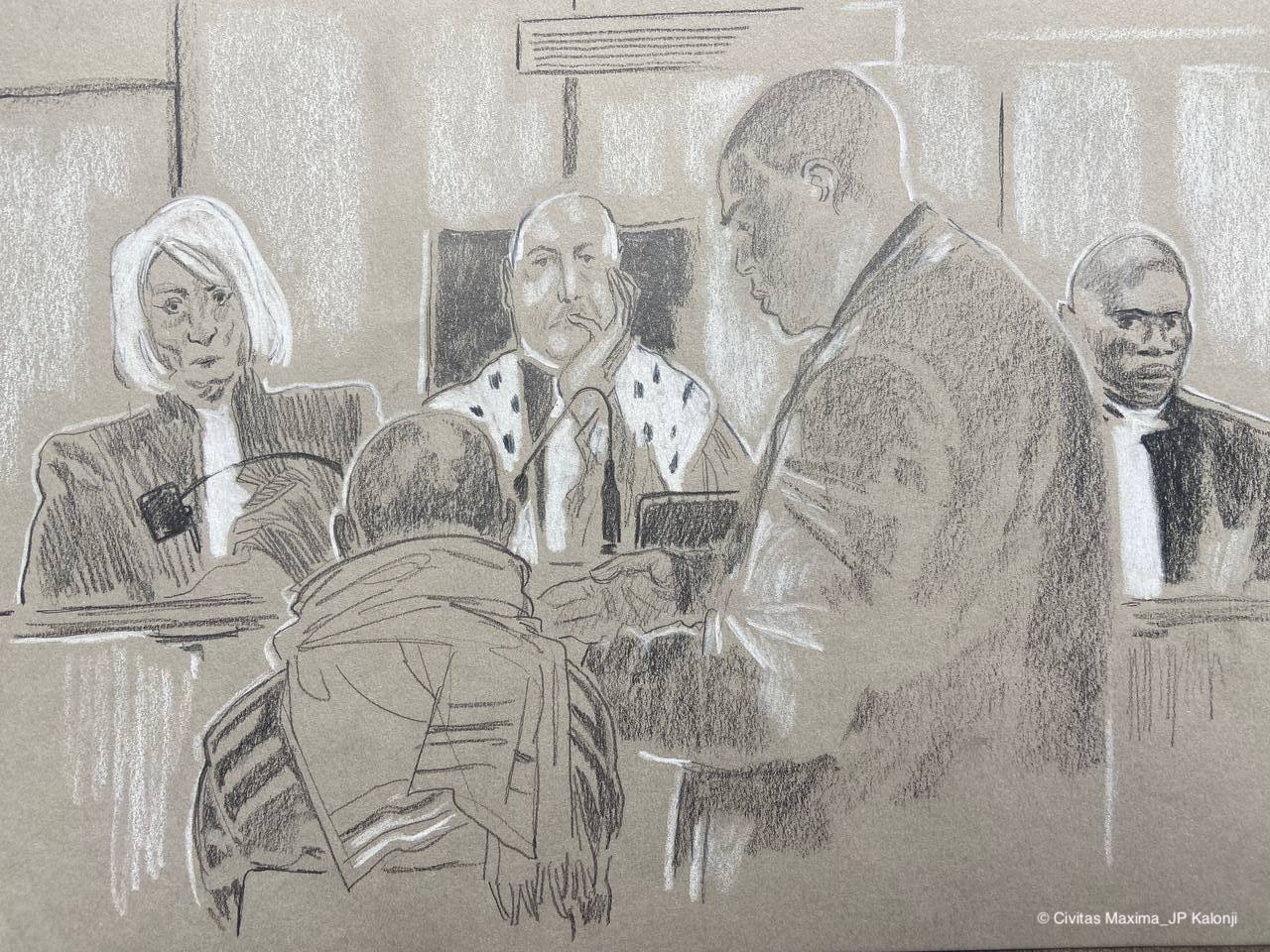





Kashef v. BNP Paribas: A Bank Held Accountable Under Swiss Law
Recently there was an important development in the field of corporate accountability that is worth highlighting.
We work with victims who are unable to seek justice and redress locally by pursuing cases in national and regional courts whenever, however, and wherever feasible.
Civitas Maxima documents, litigates and provides assistance to judicial authorities in the investigation and prosecution of core international crimes. We share our expertise and bolster the ability of civil society groups and legal practitioners. We inform the public and communities in the countries where the crimes were committed about trials and advancements in international justice.
We support forgotten victims of the most serious crimes – including genocide, war crimes, crimes against humanity and torture – by facilitating their pursuit of justice.
We aim to bring perpetrators to justice, beyond the borders of where the crimes occurred, before national, regional or international courts.
We pursue justice in situations where legal actions have failed or are impossible in the country where the crimes occurred.
We are engaged in an effort to make sure that justice being done far away is still felt where the crimes took place.
Recently there was an important development in the field of corporate accountability that is worth highlighting.
The fundamental difference between an ordinary crime and an international crime lies in their very nature: international crimes are deemed so grave that they concern the international community as a whole.
On 2 May 2024, Joseph Nyuma Boakai signed Executive Order No. 131 establishing the Office of the War and Economic Crimes Court (OWECC).