Crimes against humanity
Read more
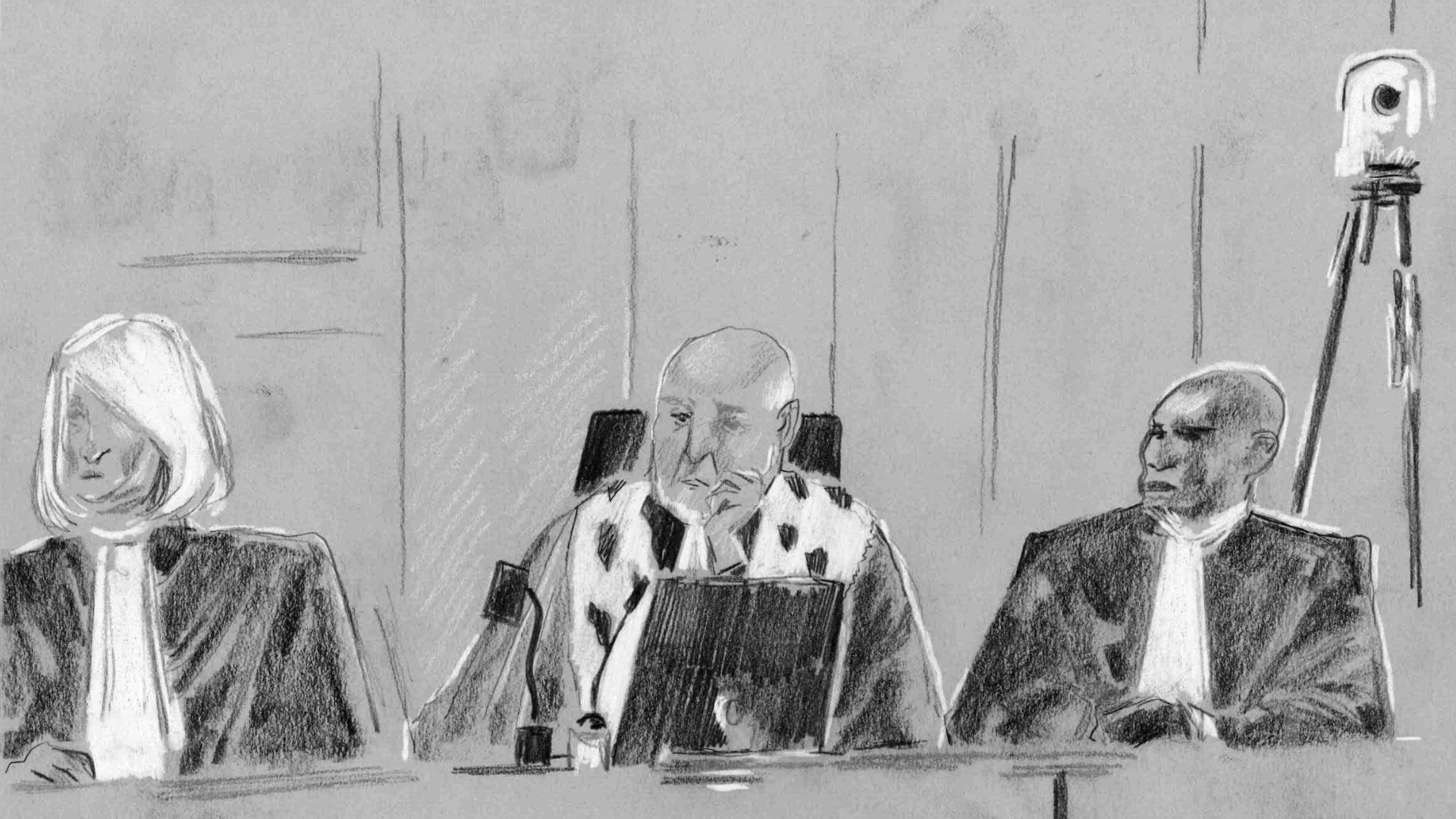
International criminal justice exists to ensure that impunity is never an option. Civitas Maxima works to make that a reality for the most serious crimes committed anywhere in the world.
Civitas Maxima works to ensure that international crimes can be prosecuted before national courts, particularly where justice has failed or is ineffective in the country where the crimes were committed, or where international mechanisms are unable to deliver justice. We primarily work on cases brought in third countries—that is, outside the territory where the crimes occurred.
Such cases may be based on different jurisdictional grounds, depending on the national legislation concerned. These may include active jurisdiction (where the suspect is a national of the state conducting the proceedings), passive jurisdiction (where the victims are nationals of that state), or universal jurisdiction, which allows certain international crimes to be prosecuted even in the absence of any link of nationality or territory.
Depending on the legal system, universal jurisdiction may be:
Justice mechanisms based on extraterritorial jurisdiction—still too rarely used—are now expanding rapidly, particularly in Europe. They demonstrate that it is possible to deliver justice for the most serious crimes, even many years after the events and across borders.
Civitas Maxima plays a central role in this process. We document international crimes in close collaboration with our local partners; we support investigations; and, when conditions are met, we contribute to the opening of judicial proceedings before competent national courts.
Our work extends further. It is grounded in a victim-centered approach, with particular attention to those who have been forgotten or excluded from traditional justice mechanisms. We work to ensure that their stories are acknowledged, that they gain access to truth, and that they are able to obtain justice and reparation, including symbolic recognition of their suffering. More broadly, our efforts also contribute to preventing the recurrence of such atrocities. Through our combined work, perpetrators of war crimes or crimes against humanity have been identified, prosecuted, and in some cases convicted.
International criminal justice can be exercised through various mechanisms, whether international, hybrid, or national:
Read more
Read more
Read more
Read more
Read more
Read more
Geneva/Monrovia/Nottingham, July 21, 2026 – Civitas Maxima, University of Nottingham and GJRP submit comments on Liberia’s draft War and Economic Crimes Court legislation
Geneva/Sinjar, June 24, 2026 – Yazda and Civitas Maxima signed a Memorandum of Understanding (MoU), formalizing their cooperation to advance accountability for international crimes committed by the Islamic State of Iraq and the Levant (ISIL).

Recently there was an important development in the field of corporate accountability that is worth highlighting.