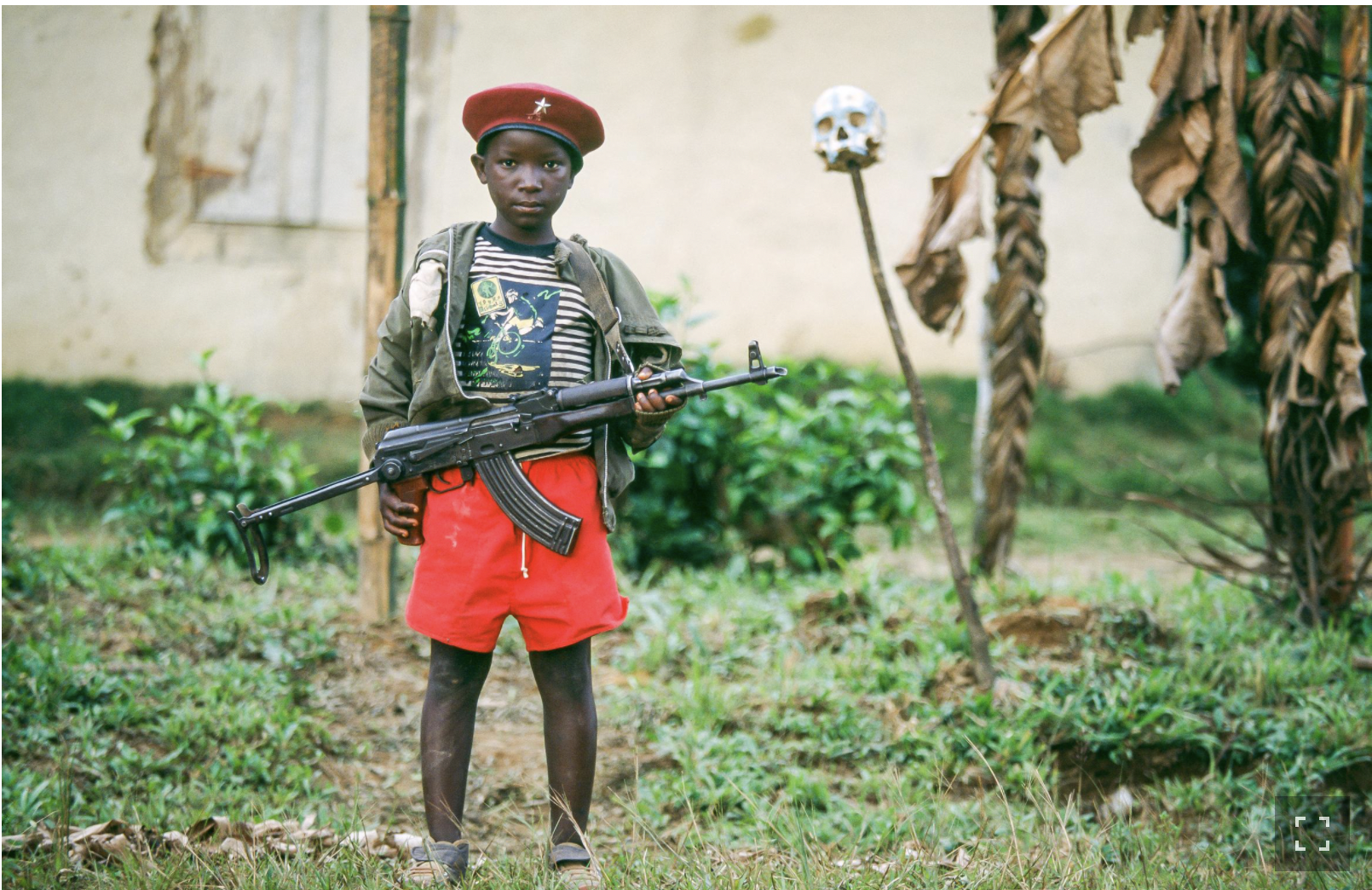
Corporate accountability
Read more
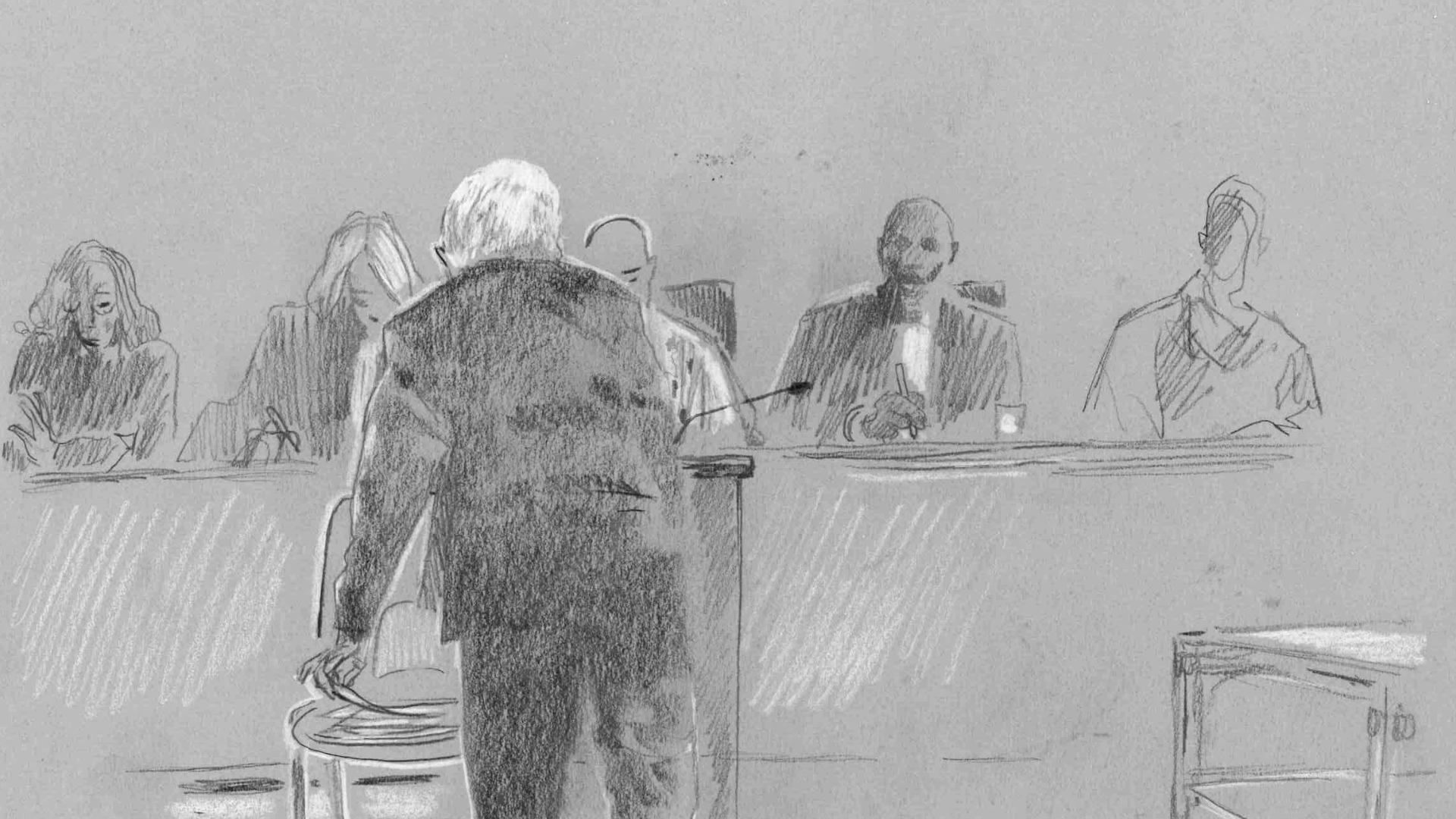
War crimes demand a response from the international community. Since 2012, Civitas Maxima has worked alongside victims and local partners to bring perpetrators before courts of law, including securing the first ever conviction for war crimes before the Swiss Federal Criminal Court.
In the fight against war crimes, Civitas Maxima’s work has led to very concrete judicial outcomes with significant impact.
In 2023, Alieu Kosiah was found guilty by the Swiss Federal Criminal Court of acts qualifying as war crimes. This conviction marked a milestone in Swiss judicial history, as it was the first conviction for war crimes handed down by the Federal Criminal Court since its establishment.
The case, which concerned crimes committed by a commander of a rebel group during Liberia’s first civil war (1993–1995), also marked a turning point in the judicial history of the country where the crimes were committed. The proceedings against Alieu Kosiah resulted in the first conviction of a Liberian national for war crimes committed during that civil war, which devastated the country for more than ten years.
Alain Werner, Director of Civitas Maxima, was one of the lawyers who filed the first complaints against Alieu Kosiah in 2014 and represented several Liberian victims throughout the proceedings, including at both the trial and appeal hearings.
War crimes may be prosecuted before various national and international courts, depending on the treaties ratified by the states concerned and on the capacity and political will of the states where the perpetrators are located.
While states bear the primary obligation to investigate war crimes committed by their own nationals, as well as crimes committed on their territory and/or within their jurisdiction, there are situations in which they lack the willingness or capacity to do so, particularly during periods of political transition. In such cases, criminal justice may be exercised by other jurisdictions, including ad hoc, international, or hybrid tribunals (former Yugoslavia, Rwanda, Cambodia, Sierra Leone, etc.), as well as by the International Criminal Court.
Perpetrators may also be prosecuted in countries other than those where the crimes were committed under the principle of universal jurisdiction, which allows a state to investigate and prosecute any war crime regardless of where it was committed and irrespective of the nationality of the perpetrators or victims. This jurisdiction has been exercised on several occasions by France, Germany, the Netherlands, Spain, and Switzerland, among others.
Read more
Read more
Read more
Read more
Read more
Read more
Geneva/Monrovia/Nottingham, July 21, 2026 – Civitas Maxima, University of Nottingham and GJRP submit comments on Liberia’s draft War and Economic Crimes Court legislation
Geneva/Sinjar, June 24, 2026 – Yazda and Civitas Maxima signed a Memorandum of Understanding (MoU), formalizing their cooperation to advance accountability for international crimes committed by the Islamic State of Iraq and the Levant (ISIL).
Recently there was an important development in the field of corporate accountability that is worth highlighting.