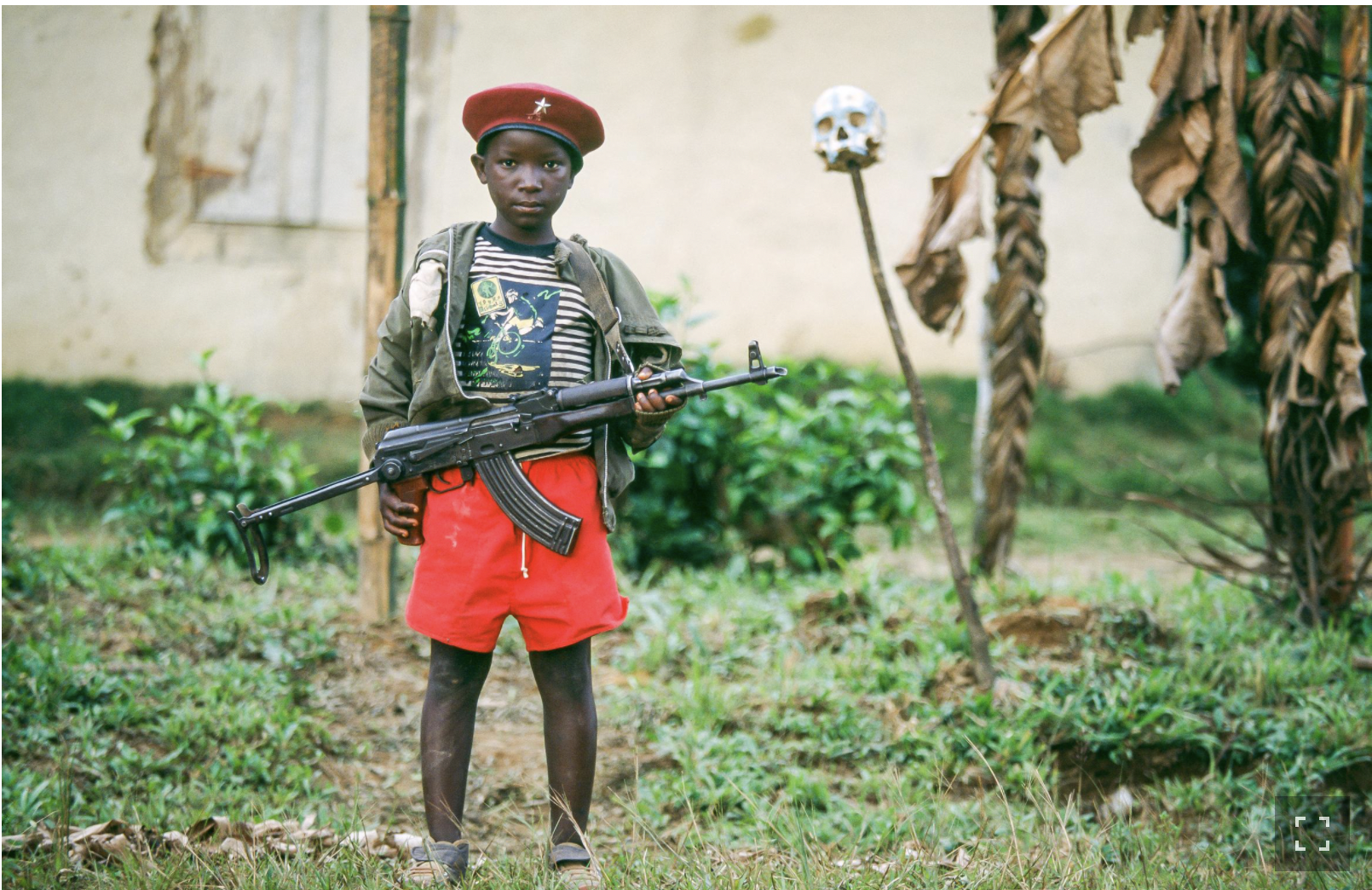
Crimes against humanity
Read more
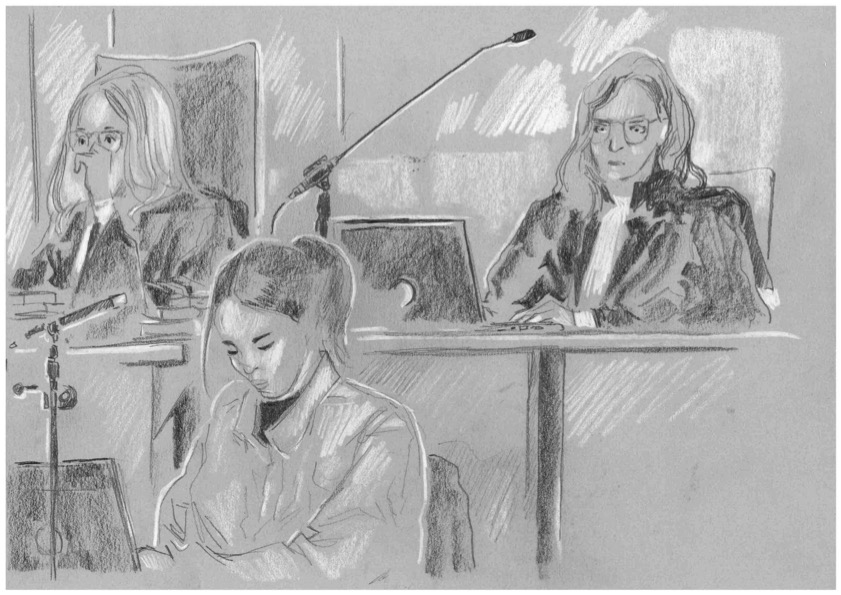
Corporate actors are not beyond the reach of international criminal law. Civitas Maxima pursues accountability for companies and individuals who profit from war crimes and human rights abuses, standing alongside the victims of those crimes.
The origin of corporate responsibility at Nuremberg
The historical precedent for corporate accountability derives from the so-called “Industrialist trials” held in Nuremberg after the end of World War II. There were three trials prosecuted by authorities from the United States, against forty-two individuals from the Flick, Krupp, and I.G. Farben corporations. These three companies dealt with coal and steel production, steel and heavy weapons, and manufacture of chemicals, respectively. All three were heavily involved in the Nazi government’s build up of military armament.
Of the forty-two defendants, twenty-seven were convicted of war crimes and crimes against humanity including the use of slave labor and pillage of German-occupied territories. While the Nuremberg Statute did not provide for direct prosecution of entities (whether companies or States), it clearly enabled the successful prosecution of corporate executives, directors, and managers for crimes committed under the policies of the companies.
Our work
Civitas Maxima works on different cases aimed at holding corporate actors accountable for their participation in international crimes, including in connection with the illegal trade of blood diamonds during the Sierra Leone civil war (1991-2002).
In September 2021, with the support of Civitas Maxima and Center for Accountability and Rule of Law, a victim of the trade in blood diamonds in Sierra Leone filed a criminal complaint before Audiencia Nacional in Spain against businessman Manuel Terrén Parcerisas for international crimes.
Manuel Terrén Parcerisas is presumed to have worked for a company based in Europe that facilitated the illegal trade of precious stones from Sierra Leone through its subsidiaries in West Africa. Between at least 1997 and 2002, Manuel Terrén Parcerisas is alleged to have traded with the non-state armed group Revolutionary United Front for diamonds obtained through the enslavement of civilians in the Sierra Leone diamond-rich district of Kono. The acquired gems were presumably brought to Monrovia, Liberia, and then sold on the international market.
Manuel Terrén Parcerisas was arrested in Malaga, Spain, on 2 July 2024 and subsequently granted release on 24 July 2024. In February 2026, Audiencia Nacional confirmed the expansion of the investigation to include money laundering offences and additional suspects. The investigation is ongoing, with various investigative measures currently underway.
Read more
Read more
Read more
Read more
Read more
Read more
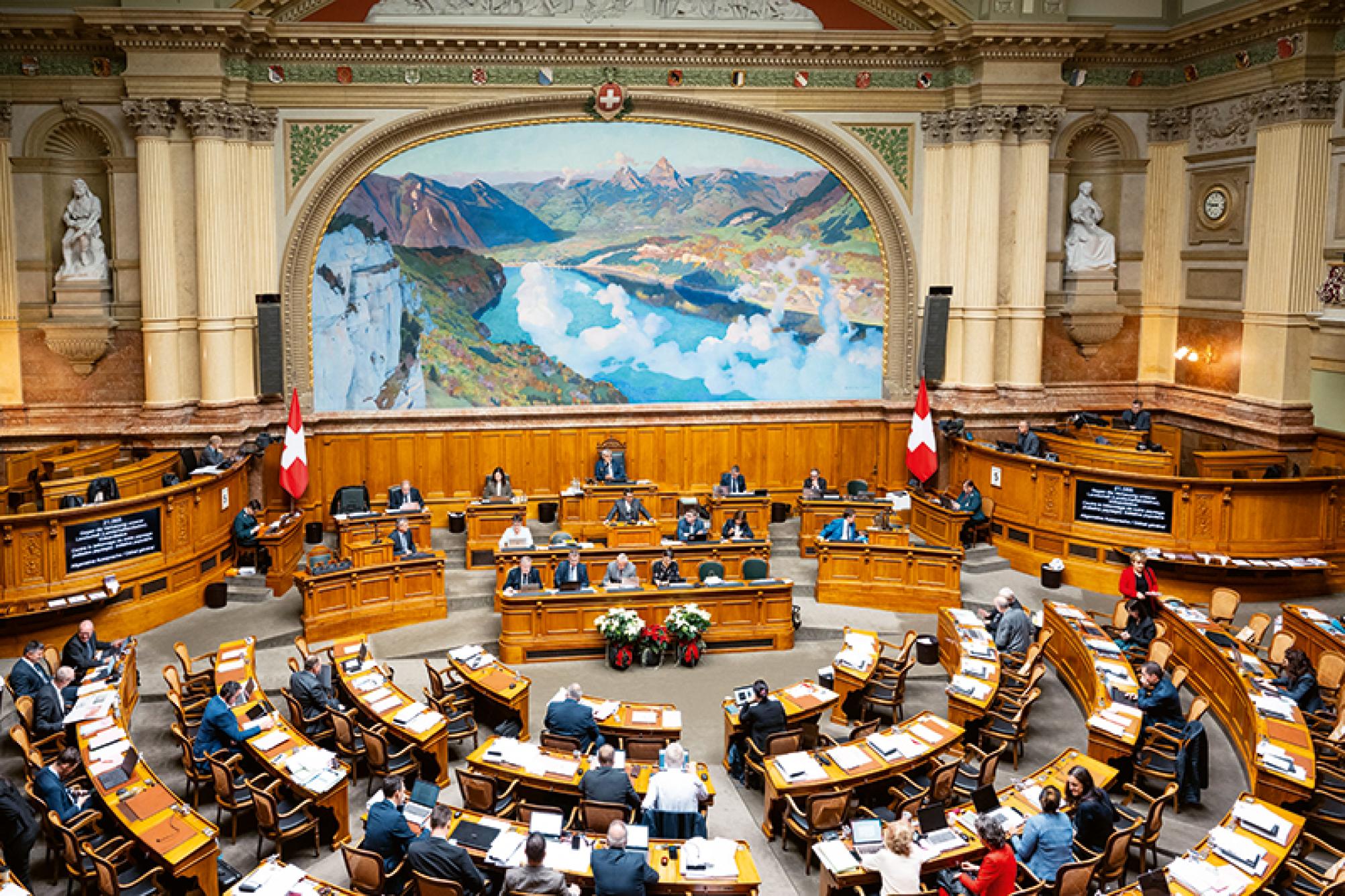
On October 31, the Legal Affairs Committee of the National Council decided to continue its work on the preliminary draft of the federal law on the inclusion of torture in the Swiss Criminal Code, paving the way for its consideration by Parliament.
On October 31, the Legal Affairs Committee of the National Council decided to continue its work on the preliminary draft of the federal law on the inclusion of torture in the Swiss Criminal Code, paving the way for its consideration by Parliament.
On October 31, the Legal Affairs Committee of the National Council decided to continue its work on the preliminary draft of the federal law on the inclusion of torture in the Swiss Criminal Code, paving the way for its consideration by Parliament.