
Artists
Jean-Philippe Kalonji
Jean-Philippe Kalonji produced courtroom sketches for Civitas Maxima at the war crimes trials of Alieu Kosiah and Kunti Kamara in Paris and Bellinzona. He developed Musu’s Diary, a cartoon series for Civitas Maxima, and his drawings have also been used in the Annual Report and are featured throughout the website.
Jean-Philippe Kalonji (1973) is a Swiss painter, illustrator, sculptor and comic book author. Born in Geneva to a family with roots in the Congo (DRC), his visual vocabulary draws on cross-cultural reference points—classical painting, Japanese art and narrative image-making—shaped by periods living abroad in the United States, the United Kingdom, Japan and Liberia.
His practice moves fluently between fine art and applied illustration, returning often to the human figure and portraiture as a site where identity, memory and social reality converge. His work is frequently described as bridge-building: drawing that connects people, places and histories with both tenderness and critique.
Beyond the studio, his “humanitarian and societal” imagery—addressing migration, conflict, slavery and the North–South imbalance—has led to partnerships with Swiss institutions, NGOs, and international organisations including the ICRC and UNHCR, as well as commissions from Geneva’s Musée d’ethnographie (MEG). He is a Caran d’Ache ambassador and has created illustrations for the brand’s packaging and special initiatives.
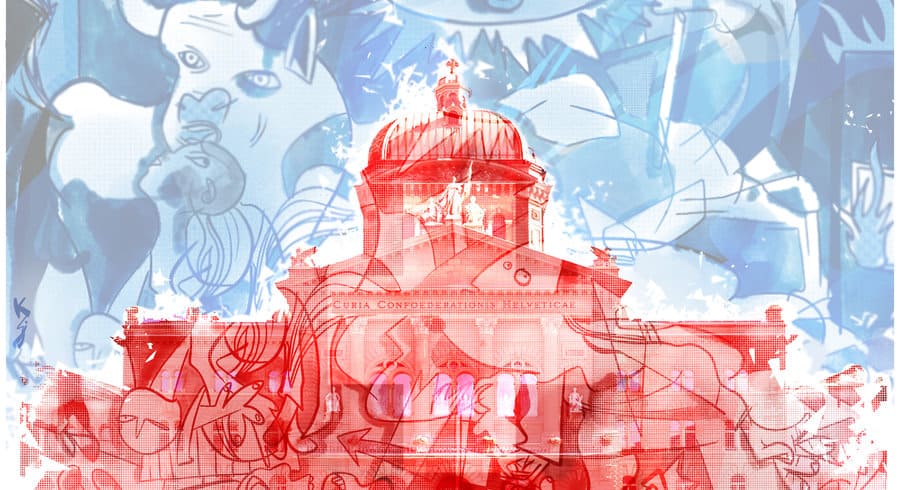
Illustration of the Swiss Federal Criminal Court surrounded by an artistic impression of Pablo Picasso’s Guernica. © JP Kalonji / Civitas Maxima
Leslie Lumeh
Leslie Lumeh served as courtroom artist at the Alieu Kosiah trial in Bellinzona for Civitas Maxima, and created the animation Cartooning for Justice (explored in the Civitas Maxima Annual Report, pp. 30–41), writing an accompanying piece on the project.
“The artwork of Mr. Leslie Lumeh stands, in my opinion, with the best European artists of the 20th Century.” — Althea Romeo-Mark, Award-winning author.
From watercolor paintings depicting Liberia’s civil war that caught international attention in the 90s, Leslie Lumeh became “Liberia’s most celebrated artist” according to CNN. His work made him a target of the Charles Taylor regime, forcing him to flee to Côte d’Ivoire.
Three of Leslie’s paintings are held in the U.S. Embassy Art in Embassies program, and two feature in the World Bank’s Africa Now! collection (2007). In 2015, he represented Liberia at Lumières d’Afriques in Paris. He has illustrated for UNICEF and CODE, and served as resident cartoonist for the Daily Observer (2005–2015). His novel No Papers reflects his personal reckoning with Liberia’s civil war. Leslie is now based in France.
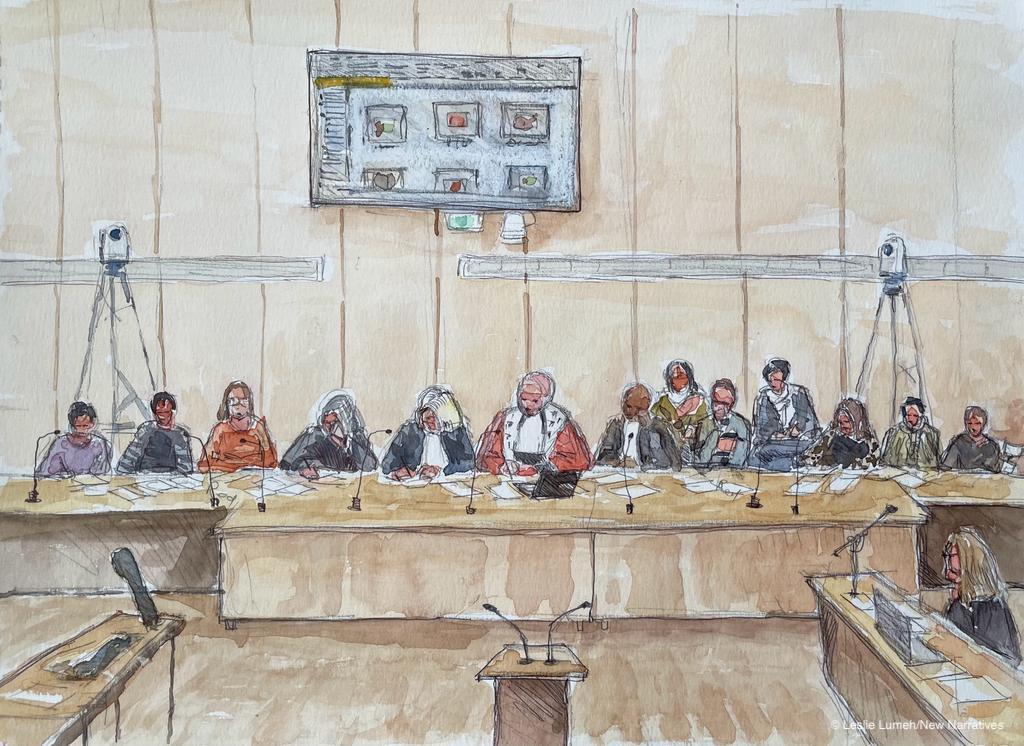
Court sketch of the jury during the Kunti Kamara first instance proceedings at the Court d'Assises of Paris. Leslie Lumeh.
Chase Walker
Chase Walker produced courtroom sketches for Civitas Maxima at the US war crimes trials of JJ (2017), TW (2018), and K-1 (2025).
Chase fled Liberia’s civil conflict in 2003 and spent six years in a refugee camp in Ghana. There, he experienced the realities of displacement, including food shortages, poor sanitation, and limited access to education. During this period, his father died in Monrovia after a rebel attack disrupted hospital services. These experiences shaped his resilience and commitment to making the most of every educational opportunity.
Passionate about finding beauty amid adversity, Chase is especially drawn to photographing children, capturing qualities that often go unnoticed. He believes photography plays a vital role in Liberia, where many people rely on visual storytelling to access information.
Chase has also worked as New Narratives’ resident photojournalist and headed the graphic department at FrontPage Africa.
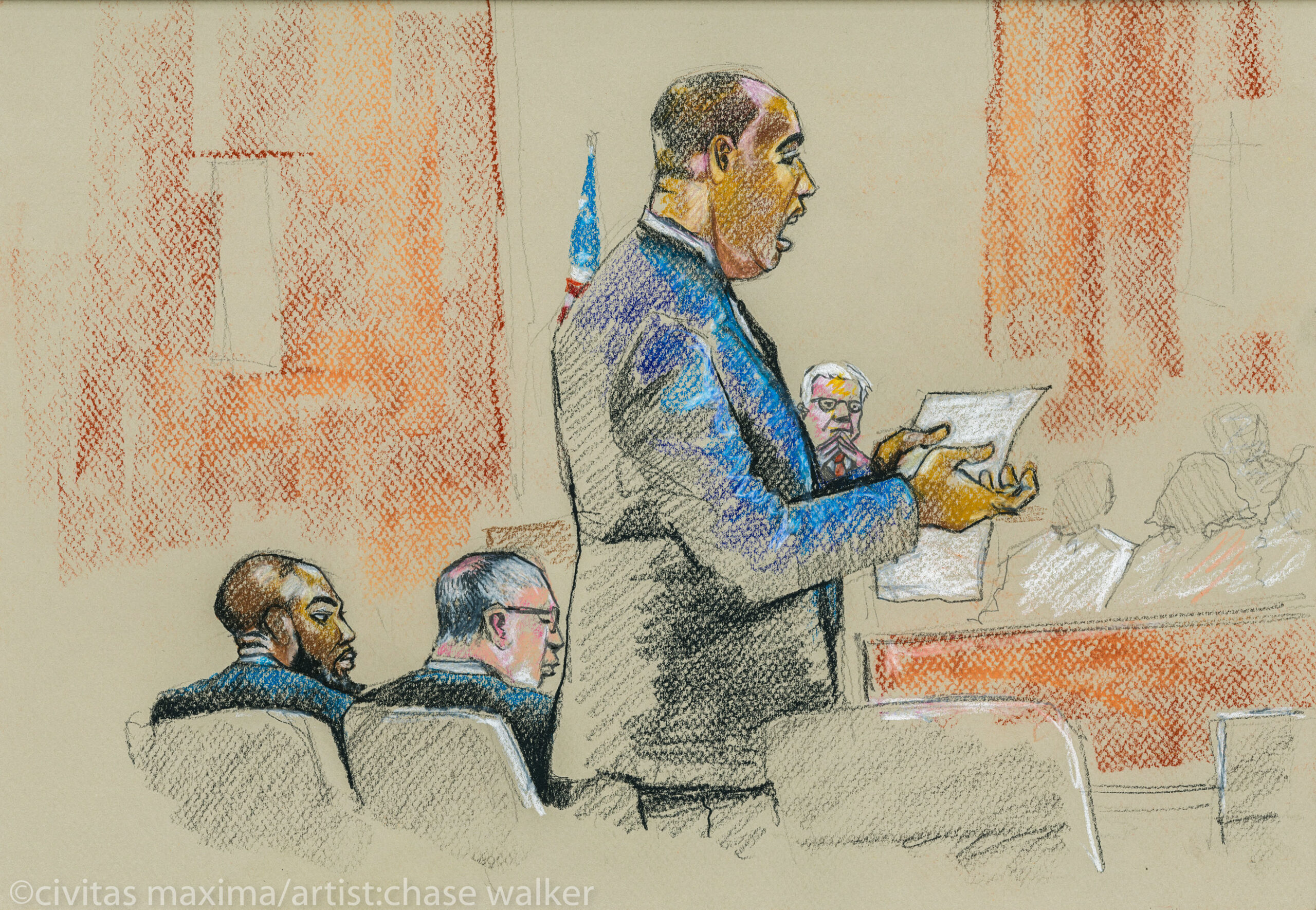
Cation TBC
Nicolas Braguinsky Cascini
Nicolas Braguinsky Cascini is an Argentine filmmaker, storyteller, videographer, editor, and photographer based in Geneva, Switzerland. He holds a B.A. in Foreign Literature from the University of Buenos Aires and works as a freelance audiovisual communications specialist for international organizations, companies, and NGOs.
His documentary Beyond Impunity (2020) brought international attention to the Civitas Maxima cases and the Liberian communities seeking accountability for crimes committed during Liberia’s civil wars. He also co-directed Solidarity Crime: The Borders of Democracy (2019), which examines the criminalization of European citizens assisting migrants.
Before becoming a freelancer, Nicolas worked in the communications offices of Argentina’s Ministry of Economy and Ministry of Foreign Affairs, producing press releases, photography, and video coverage for national and international events, including meetings of MERCOSUR, the OAS, and the UN across Latin America, Europe, and China.
Graphic narrative
Musu’s diary
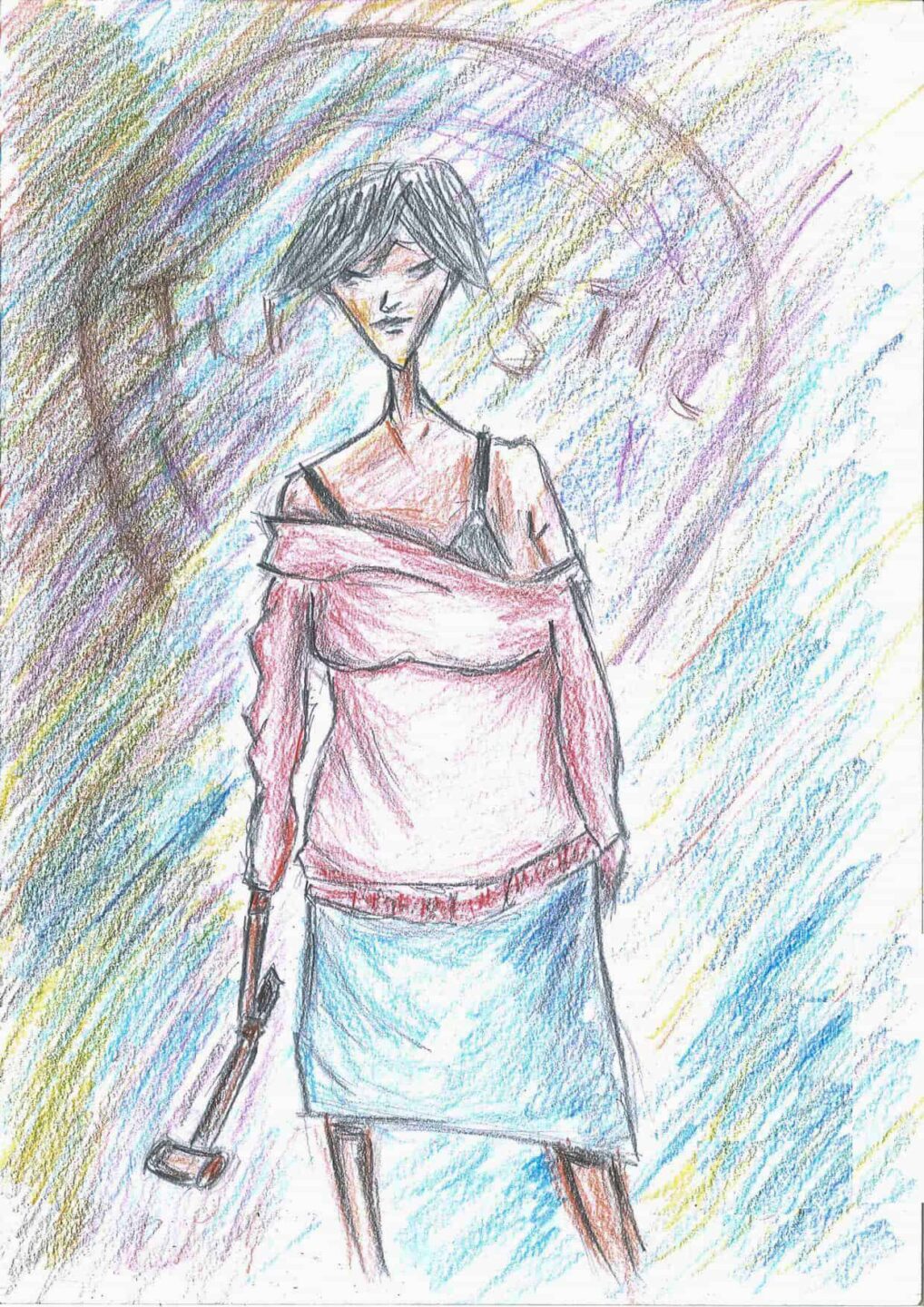
Musu’s Diary is a cartoon series illustrating the resilience of Liberians who seek to end impunity after the 14-year civil wars. It tells the story of a brave young girl in Monrovia — Musu — whose family has been torn apart by the wars. Together with her little brother Varney, she embarks on adventures in search of reunion and justice.
Episode one
Episode two
Chronicling Musu’s journey as war crimes trials unfold outside Liberia, the series confronts the varied conceptions of justice and the frustrating prevalence of impunity in her country. The characters reflect the full spectrum of sentiment in post-conflict Liberia.
Combining expressionism and magical realism within a classic hero’s journey, Musu’s Diary conveys the hope, prosperity, and justice Liberia can attain through the pursuit of criminal accountability for victims of war crimes and crimes against humanity.
Written by Civitas Maxima and Global Justice and Research Project staff, and illustrated by JP Kalonji, the series also draws on collaboration with students from the Graduate Institute of International and Development Studies in Geneva and LivArts Visual Arts Academy in Monrovia.
Art and education
There has never been a project like this before here in Liberia. It is so important that Liberians take ownership of this project. What we are doing is good for the kids.Leslie Lumeh, Director of LivArts
Cartooning for Justice
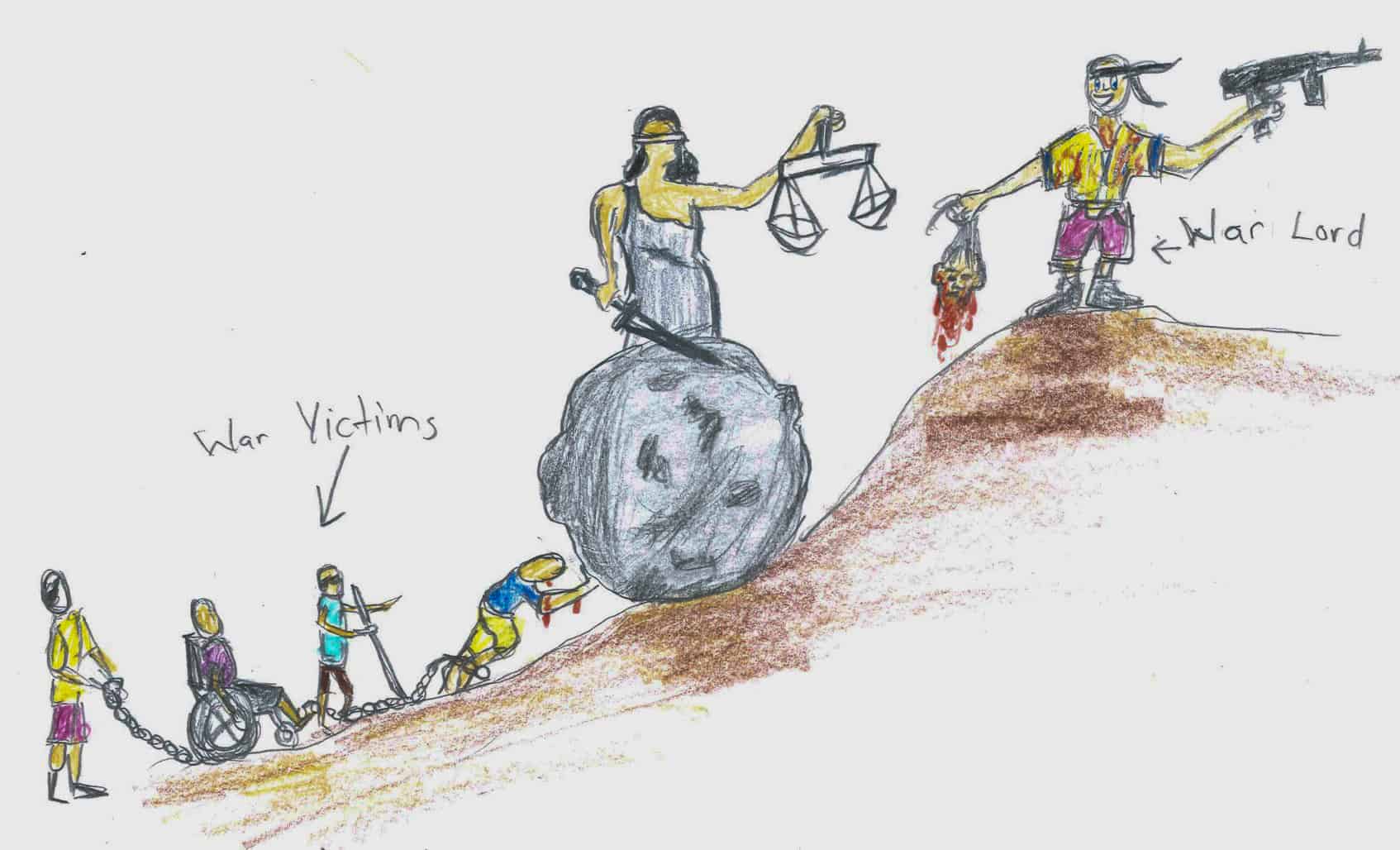
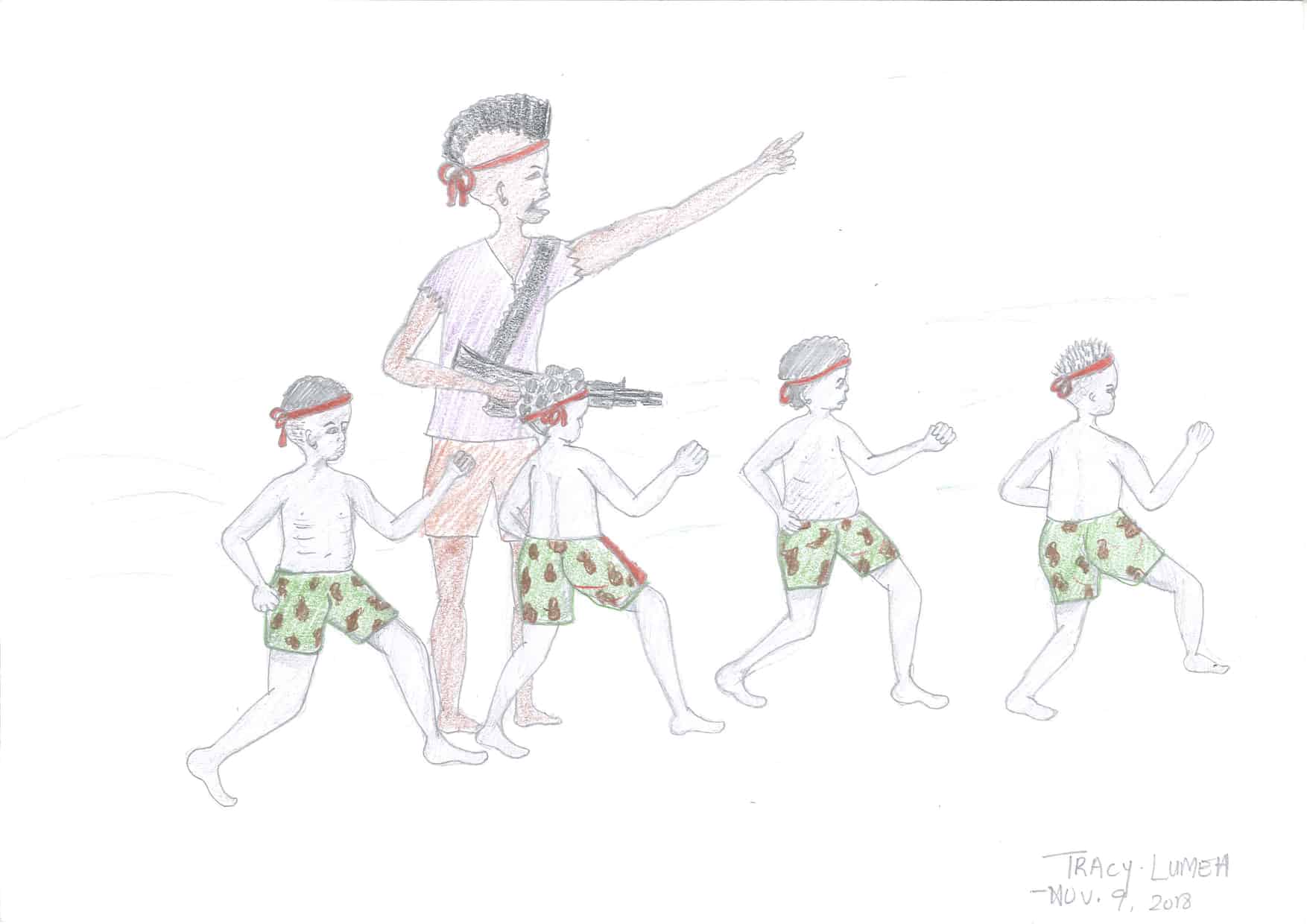
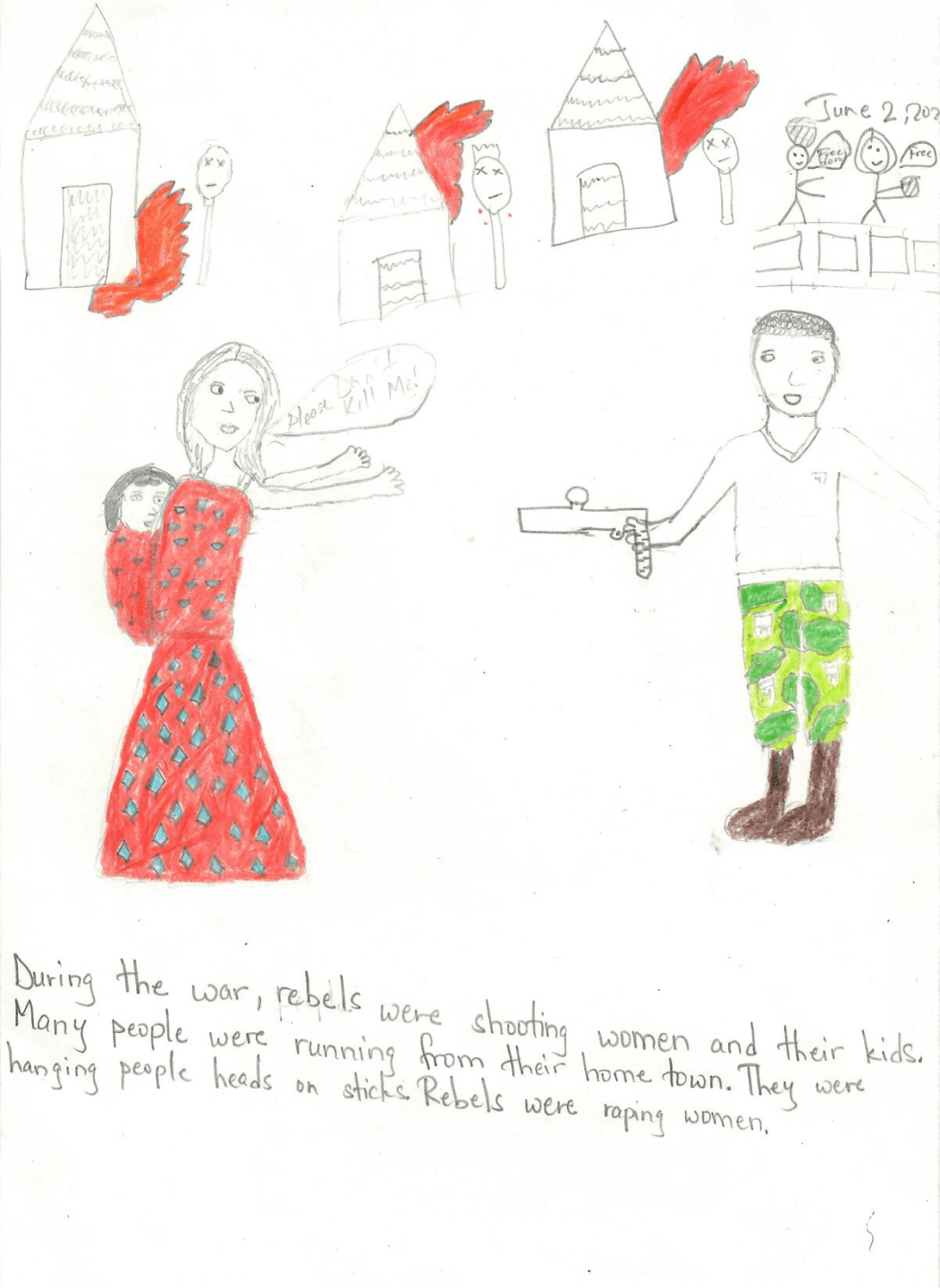
A cartoon has incredible communicative power. It is a medium for social awareness that can encourage change, spark debates, express anxiety, and inspire hope. Civitas Maxima harnessed that power in 2018, launching the first Cartooning for Justice workshop in Monrovia with 30 art students.
The Workshops
Over four days, students tackled the question: “Should wartime crimes be punished in Liberia today?” Through group discussions, they debated existing justice measures, reflected on their conceptions of justice, and explored the need for war crimes accountability. Sessions covered the theoretical foundations of punishment — consequentialism, retributivism, and restorative justice — and how these frameworks might apply in post-conflict Liberia.
Even students who had not lived through the war produced work of striking emotional weight. In their cartoons, the strength and brutality of the conflicts are raw and unedited — evidence of how war trauma passes from generation to generation, especially when no one has been held accountable for the crimes committed.
Exhibitions & Reach
In 2019, the cartoons were displayed at a partner event of the International Film Festival and Forum on Human Rights (FIFDH) in Geneva, under the title “Without Justice our Wounds cannot be Healed”. Shortly after, the same exhibition was hosted at the National Museum of Monrovia. In 2022, three additional workshops were held across different schools in the city.
Partners & Funding
The project was initially funded by a Kathryn W. Davis Peace Foundation grant, generously donated by Felix Lüth and Livio Silvia-Müller, students of the Graduate Institute of Geneva. Swiss-Congolese cartoonist JP Kalonji contributed as a creative collaborator, alongside LivArts Visual Arts Academy in Monrovia and the Global Justice and Research Project (GJRP).
Participatory theatre
“Justice in Action” was one of Civitas Maxima’s most ambitious outreach projects — a participatory theatre initiative undertaken in partnership with Flomo Theatre Inc. that brought the reality of war crimes trials directly into Liberian communities.
The Project
Launched in 2017, the project began with the design of a theatre roadshow, public readings, and mock trials performed by Flomo Theatre actors with the involvement of local students in Monrovia. In 2019, the team — Flomo actors, Civitas Maxima staff, and local partners — embarked on a roadshow across rural Liberia.
The roadshow focused on the trial of Mohammed Jabbateh — known as ‘Jungle Jabbah’, former commander of the ULIMO rebel faction — who was convicted in the United States for immigration fraud related to his concealment of war crimes involvement.
Community Dialogue
The project went beyond simply reporting on the trial. Civitas Maxima staff and local partners listened to, and engaged with, remote communities in the provinces — giving space for Liberians to voice their own experiences of violence and their views on justice, impunity, and dealing with the past.
To this day, those who committed atrocities during the civil wars have not been held accountable within Liberia — despite the explicit 2009 recommendation of the Liberian Truth and Reconciliation Commission (TRC) that the government establish a war crimes court. Many alleged perpetrators still hold powerful positions. Providing reliable information and honest dialogue on accountability was, and remains, essential.
Scale & Reach
In total, 15 towns across six counties were visited — all of them sites of extreme violence during the conflicts, affected by armed groups across all factions.
Filmmaker Nicolás Braguinsky Cascini documented the project in a short film featuring rare testimonies from Town Chiefs, interviews with Flomo cast members, and footage of Liberia’s communities.