
News
Civitas Maxima extends its work to Sudan
Civitas Maxima is extending its work to Sudan, where the war between the Sudanese Armed Forces and the Rapid Support Forces (RSF) has caused one of the world’s worst humanitarian crises.

Stay up to date with our latest press releases, news coverage, and perspectives on international justice.
Civitas Maxima is extending its work to Sudan, where the war between the Sudanese Armed Forces and the Rapid Support Forces (RSF) has caused one of the world’s worst humanitarian crises.

All briefs have now been filed in the BNP Paribas appeal, with Sudanese plaintiffs supported by arguments on Swiss law, sovereignty and corporate accountability.
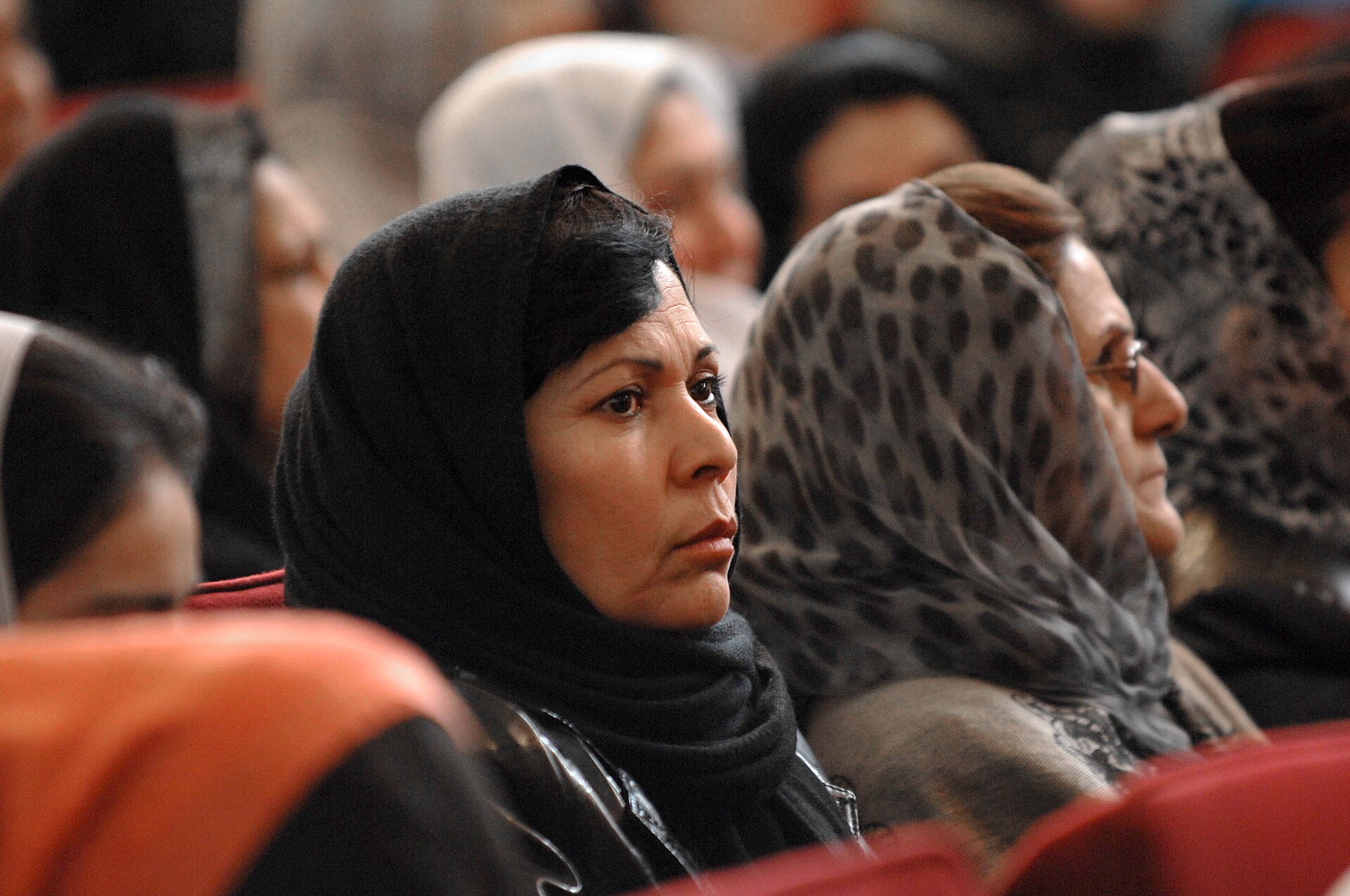
As the EU and European governments deepen engagement with the Taliban on migration, the systematic persecution of Afghan women risks being pushed aside despite growing international efforts to pursue accountability.

On August 12, 2026, the 2nd Criminal Chamber of the Supreme Court of the Canton of Bern issued a procedural decision in the appeal brought by Alan White against his May 2025 conviction for defamation of Civitas Maxima Director Alain Werner.

The BNP Paribas case raises wider questions about Switzerland’s approach to the accountability of economic actors linked to international crimes, writes Alain Werner, director of Civitas Maxima.
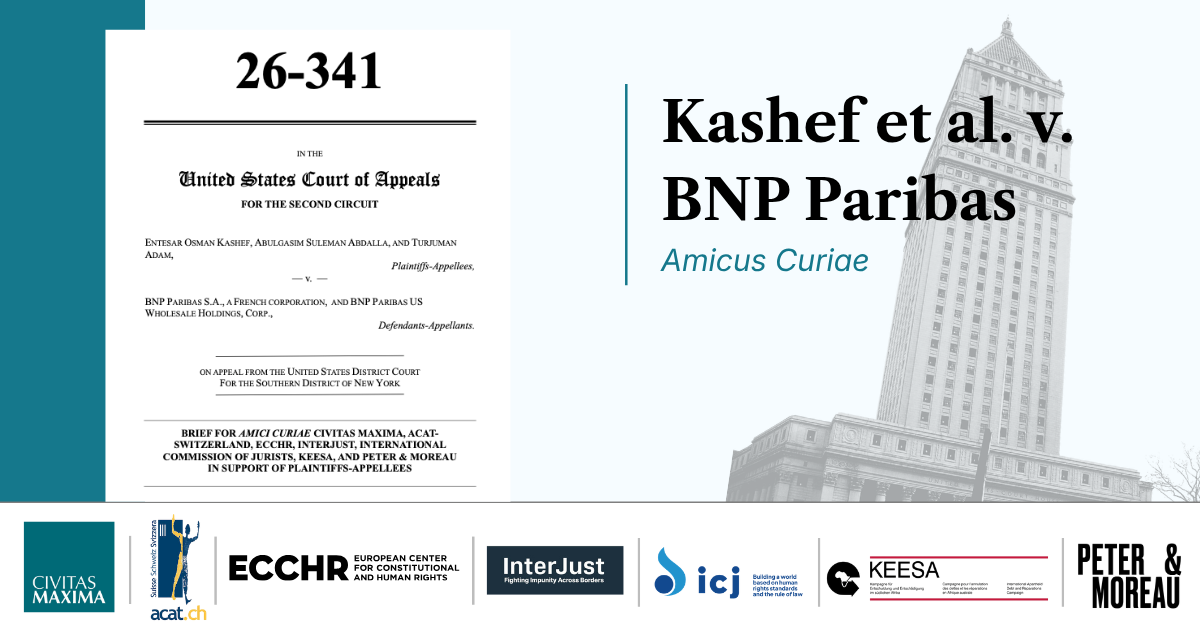
Geneva, August 31, 2026 – Civitas Maxima and international justice organizations file amicus brief in support of Sudanese plaintiffs in appeal against BNP Paribas

At a time of growing political pressure on the international justice system, recent developments in Austria, Kenya and Liberia show why accountability still matters and why justice remains a vital source of hope for victims.
Geneva/Monrovia/Nottingham, July 21, 2026 – Civitas Maxima, University of Nottingham and GJRP submit comments on Liberia's draft War and Economic Crimes Court legislation
Geneva/Sinjar, June 24, 2026 – Yazda and Civitas Maxima signed a Memorandum of Understanding (MoU), formalizing their cooperation to advance accountability for international crimes committed by the Islamic State of Iraq and the Levant (ISIL).

Recently there was an important development in the field of corporate accountability that is worth highlighting.
The fundamental difference between an ordinary crime and an international crime lies in their very nature: international crimes are deemed so grave that they concern the international community as a whole.

On May 2, 2024, Joseph Nyuma Boakai signed Executive Order No. 131 establishing the Office of the War and Economic Crimes Court (OWECC).