Torture

Need to add some text here for the Hero to be correct and the text not close to the logo.

What is torture?

Torture constitutes one of the most serious violations of human rights. Its prohibition, enshrined in both customary and treaty-based international law, is absolute and non-derogable. States are not only obliged to refrain from resorting to torture, but also to prevent it and to prosecute and punish those responsible, regardless of their status. Despite a robust legal framework, torture persists in many countries, often justified on security or political grounds.

The legal definition of torture

Torture has been prohibited under international law since the end of the Second World War. The Universal Declaration of Human Rights, adopted by the United Nations on 10 December 1948, was the first international instrument to enshrine the prohibition of torture, stating in Article 5 that “no one shall be subjected to torture or to cruel, inhuman or degrading treatment or punishment.”

The Convention against Torture and Other Cruel, Inhuman or Degrading Treatment or Punishment, adopted by the United Nations General Assembly on 10 December 1984 and ratified by more than 170 states, provides the first precise legal definition of torture.

Under Article 1 of the Convention, “the term “torture” means any act by which severe pain or suffering, whether physical or mental, is intentionally inflicted on a person for such purposes as obtaining from him or a third person information or a confession, punishing him for an act he or a third person has committed or is suspected of having committed, or intimidating or coercing him or a third person, or for any reason based on discrimination of any kind, when such pain or suffering is inflicted by or at the instigation of or with the consent or acquiescence of a public official or other person acting in an official capacity.”

Pursuant to Article 2 of the Convention, the judicial authorities of States Parties are obliged to prosecute any individual suspected of torture who is present on their territory and to provide compensation to victims. Article 4 further requires states to criminalize torture under domestic law.

In the context of armed conflicts, torture constitutes a grave breach of international humanitarian law and is prohibited by the 1949 Geneva Conventions and their 1977 Additional Protocols.

Our action and impact

Civitas Maxima is actively engaged in the fight against crimes of torture.

Contributing to convictions before courts

Before the Paris Court d’Assises, France:

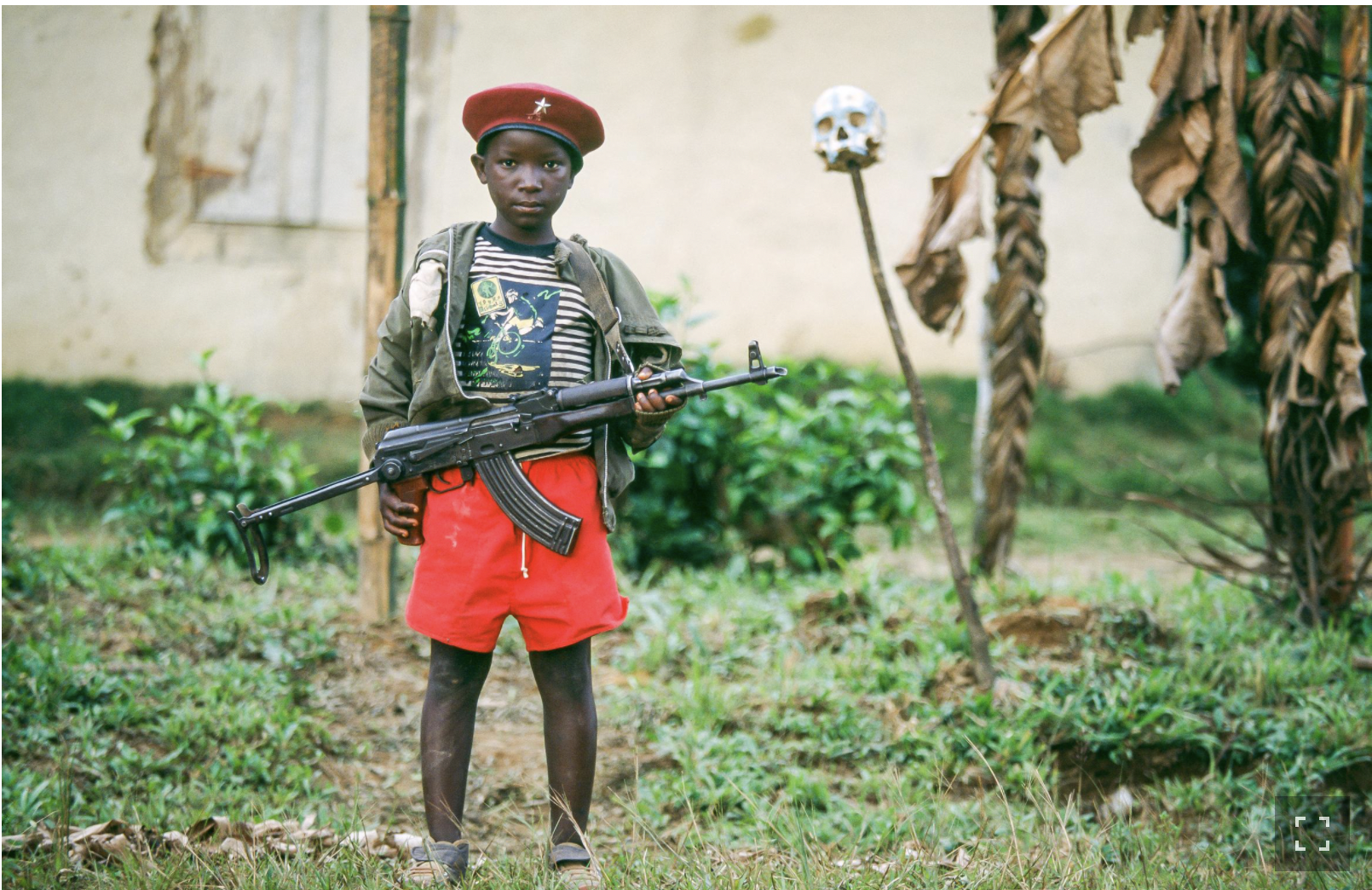
In 2022, Kunti Kamara became the first Liberian citizen convicted of acts classified as crimes of torture committed during the first Civil War that devastated the country between 1989 and 1996. This historic decision was upheld on appeal in 2024.

In 2018, Civitas Maxima filed the criminal complaint that initiated the proceedings in France and participated in Paris as a civil party in both the trial and appeal proceedings, alongside Liberian victims.

Before other jurisdictions:

Even where acts of torture cannot formally be classified as such due to legal limitations in a given country, Civitas Maxima works with authorities to secure convictions through other legal avenues. This was the case, for example, in the proceedings against Mohammed Jabbateh in the United States, where he was convicted of lying to immigration authorities about acts of torture committed during the Liberian civil war.

Advancing case law

Through the Agnes Reeves Taylor case, the UK Supreme Court issued, for the first time, a decision that opens the door—under certain conditions—to future prosecutions for the crime of torture against non-state actors. Civitas Maxima collaborated throughout the proceedings with Scotland Yard and provided the initial information that triggered the investigation.

Advocating for the incorporation of torture into national legislation

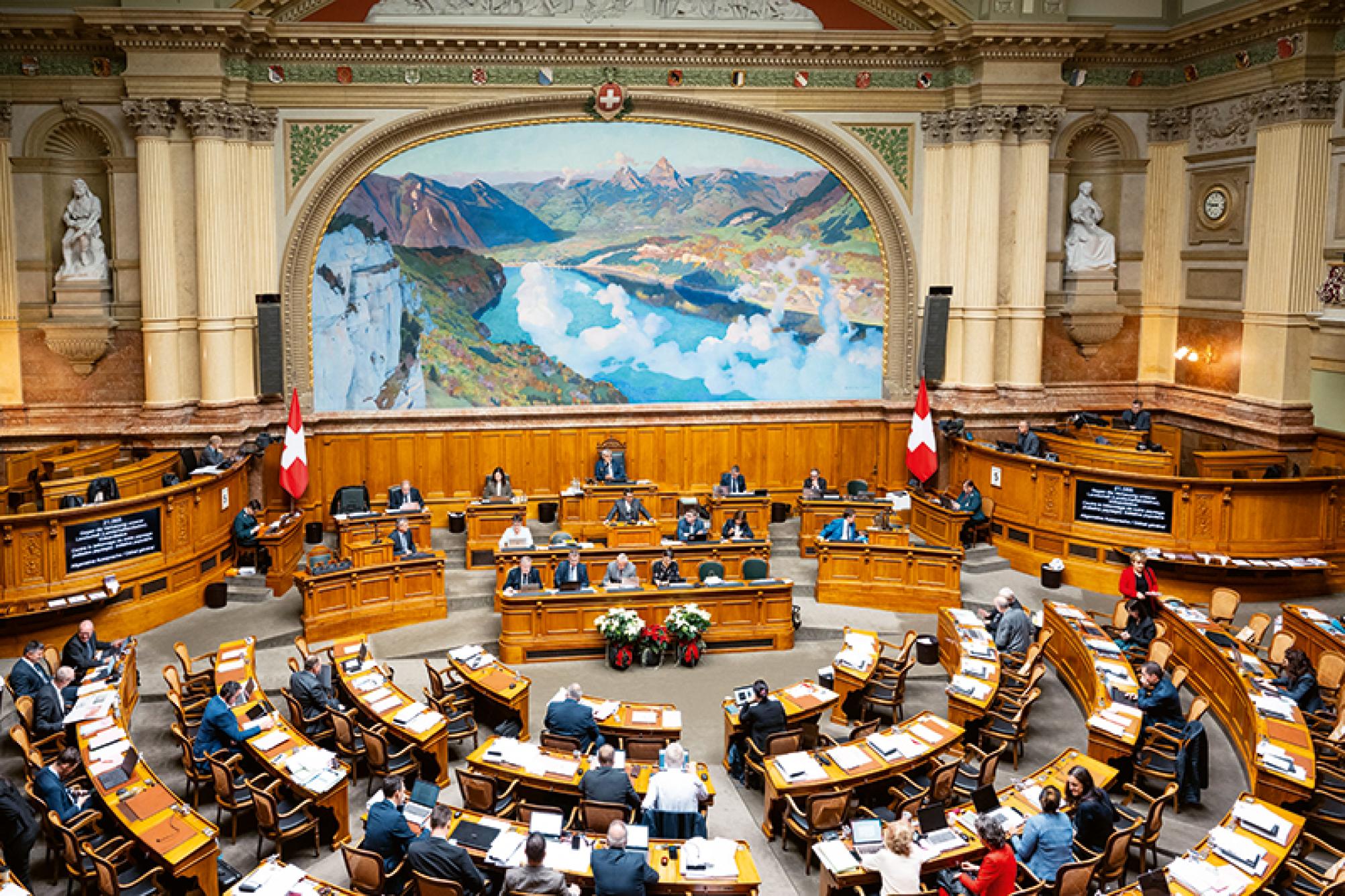
Because this has a direct impact on the cases the organization may work on in the future, Civitas Maxima engages in coalitions to ensure that the crime of torture is explicitly incorporated into national law where necessary, as is currently the case in Switzerland.

  • A crime against humanity (Article 7(1)(f)) when committed as part of a widespread or systematic attack directed against a civilian population;
  • A war crime (Article 8) when committed in the context of an armed conflict.
  • At the international level, the International Criminal Court may investigate and prosecute acts of torture committed after 2002. The Court has jurisdiction when the crime was committed on the territory of a state that has ratified the Rome Statute, when the suspect is a national of such a state, or when the situation is referred to the Court by the United Nations Security Council, even if the state concerned is not a party to the ICC.
  • International ad hoc criminal tribunals, notably the International Criminal Tribunal for the former Yugoslavia (ICTY) and the International Criminal Tribunal for Rwanda (ICTR), have also prosecuted acts of torture committed in the context of the conflicts in the former Yugoslavia and Rwanda.
  • Finally, the principle of universal jurisdiction allows any state to prosecute perpetrators of torture, regardless of their nationality or the place where the acts were committed. This principle is enshrined in Article 5(2) of the Convention against Torture, although its precise scope depends on each state’s domestic legislation.

Learn more about our other topics

Related resources

News

“No Safe Haven”: no refuge for torturers in Switzerland

On October 31, the Legal Affairs Committee of the National Council decided to continue its work on the preliminary draft of the federal law on the inclusion of torture in the Swiss Criminal Code, paving the way for its consideration by Parliament.

Press releases

Kunti Kamara’s Conviction is Final

In a court order issued on June 25, 2024, the Cour de Cassation, France’s highest judicial body, ruled that Kunti Kamara’s pourvoi en cassation had lapsed after failing to meet the legal deadline for submitting his legal argument memo.

Stay informed

Subscribe to our monthly newsletter to be informed of our latest articles.
Get involved