Sudan

Civitas Maxima is developing accountability initiatives for atrocity crimes committed during Sudan’s ongoing conflict, working with local partners, civil society, and affected communities to explore corporate and individual accountability avenues.

Civitas Maxima’s work on Sudan

Since April 2023, Sudan has been ravaged by an armed conflict between the Sudanese Armed Forces (SAF) and the Rapid Support Forces (RSF), a war that has forcibly displaced about 11.3 million people as of August 2026, according to UNHCR operational data, and produced what the United Nations has described as one of the world’s worst humanitarian crises. Both parties to the conflict, and militias aligned with them, have been accused of committing war crimes and crimes against humanity. In February 2026, the UN Independent International Fact-Finding Mission for the Sudan also found that atrocities committed by the RSF against non-Arab communities in and around El-Fasher bore the hallmarks of genocide.

Civilians, particularly the Masalit and other non-Arab communities in Darfur, have been targeted in ethnically motivated killings, sexual and gender-based violence, forced displacement, and the destruction of entire towns, echoing patterns of violence seen in the region two decades earlier. The conflict has also been fuelled, in part, by competition over and revenue from Sudan’s natural resources and by the supply of weapons from foreign actors, raising questions about the role and potential accountability of external actors.

The accountability landscape

Justice options within Sudan remain extremely limited amid ongoing hostilities and the severe disruption of state and judicial institutions. The International Criminal Court’s jurisdiction over the situation referred to by the UN Security Council is geographically limited to Darfur,  and its investigations continue to face significant resourcing and access constraints. The UN Independent International Fact-Finding Mission for the Sudan and a range of international and regional bodies have documented the scale of the violations, but very few perpetrators, whether direct perpetrators or external actors, including corporate actors whose activities may have contributed to financing the conflict, have been held to account.

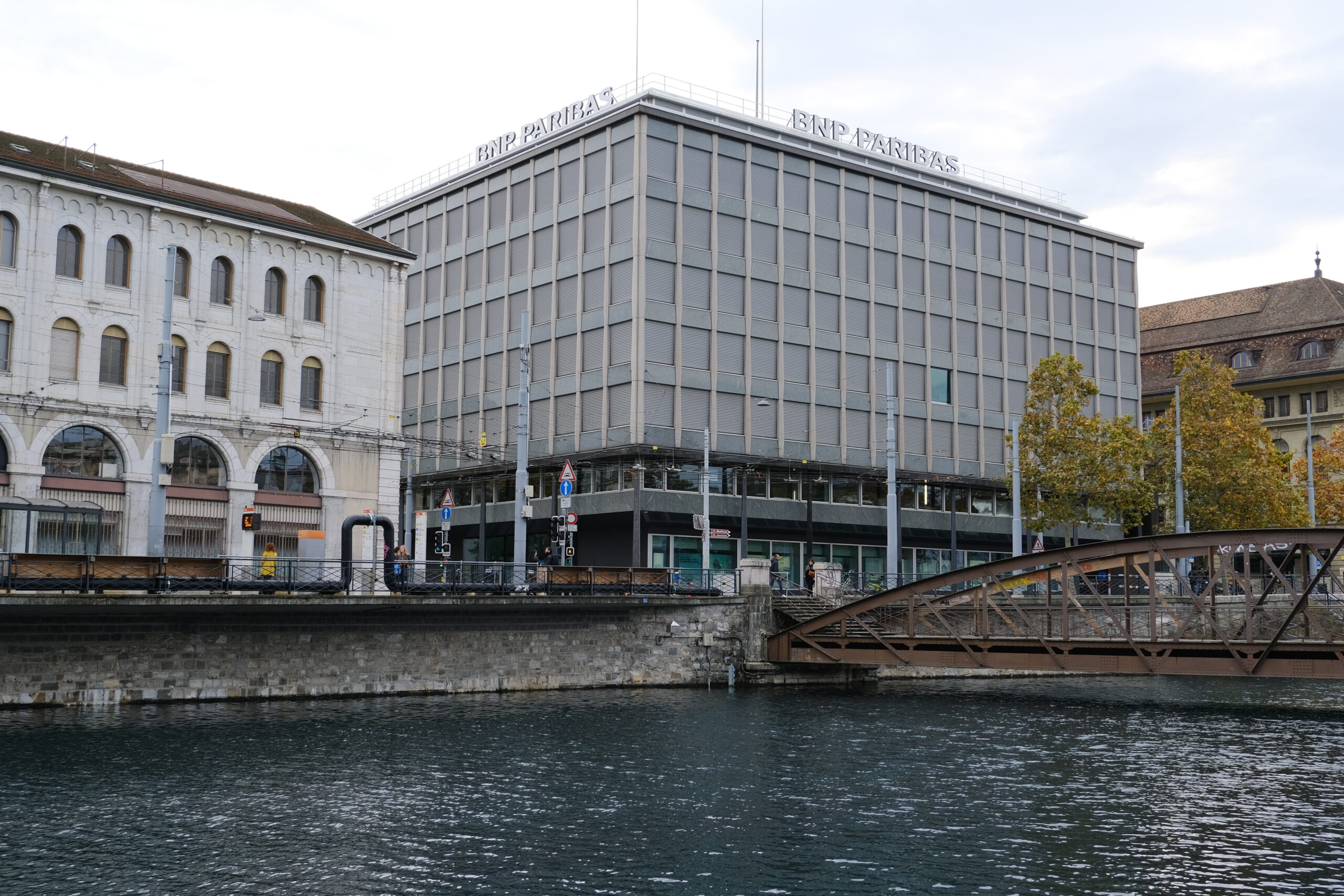
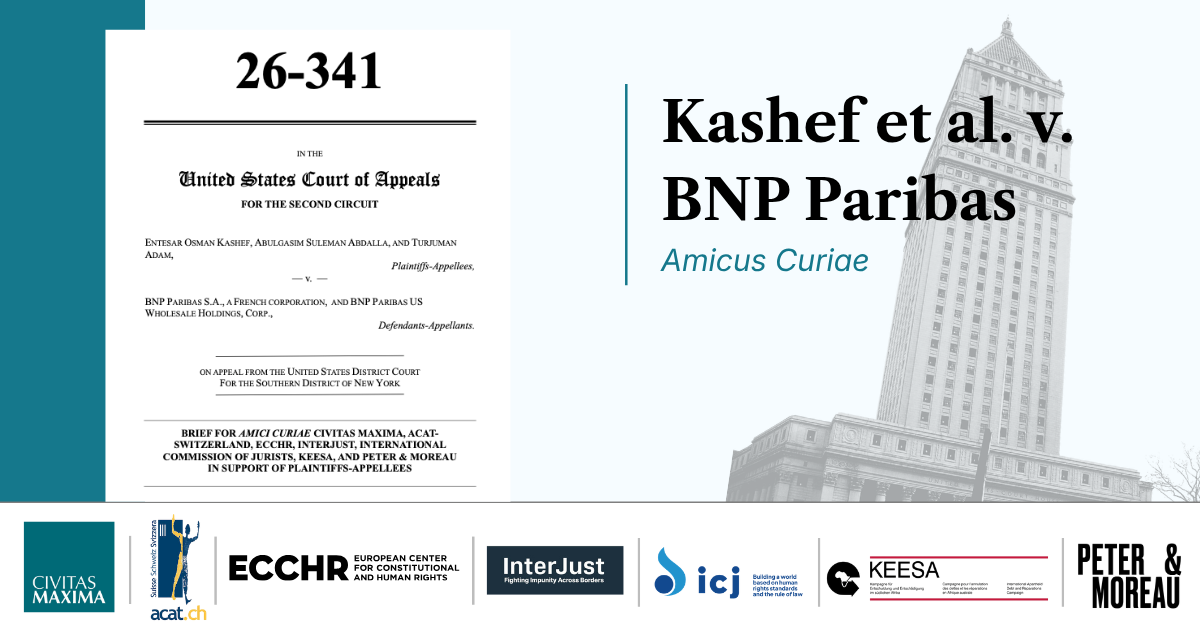
Growing attention is being paid to complementary accountability routes: universal jurisdiction complaints in third countries, civil litigation against companies and financial institutions linked to the conflict, and sanctions-related enforcement. In August 2026, for example, Civitas Maxima was joined by other international justice organizations in filing an amicus brief with the U.S. Court of Appeals for the Second Circuit in support of Sudanese plaintiffs in their case against BNP Paribas, arguing that the bank’s historic financial services to the Sudanese government helped enable grave human rights violations (see our press release).

Civitas Maxima’s work

Civitas Maxima is exploring accountability avenues for crimes committed in Sudan, working alongside local partners, regional civil society, and diaspora and refugee communities. This includes examining potential links between the conflict and the trade in natural resources, as well as the supply of weapons, alongside supporting individual accountability efforts, including universal jurisdiction initiatives being pursued in Sudan’s neighbouring countries.

Civitas Maxima is committed to building cases that reflect the full scope of the crimes committed and the harm suffered, and to connecting with communities in Sudan and in the diaspora to ensure survivors’ voices inform this work.

Learn more about the other countries

Related resources

Get involved

Subscribe to our newsletter and stay informed about Civitas Maxima's latest news.