

Blogs
BNP Paribas appeal: all briefs filed, oral argument next
All briefs have now been filed in the BNP Paribas appeal, with Sudanese plaintiffs supported by arguments on Swiss law, sovereignty and corporate accountability.

Stay up to date with our latest press releases, news coverage, and perspectives on international justice.
All briefs have now been filed in the BNP Paribas appeal, with Sudanese plaintiffs supported by arguments on Swiss law, sovereignty and corporate accountability.
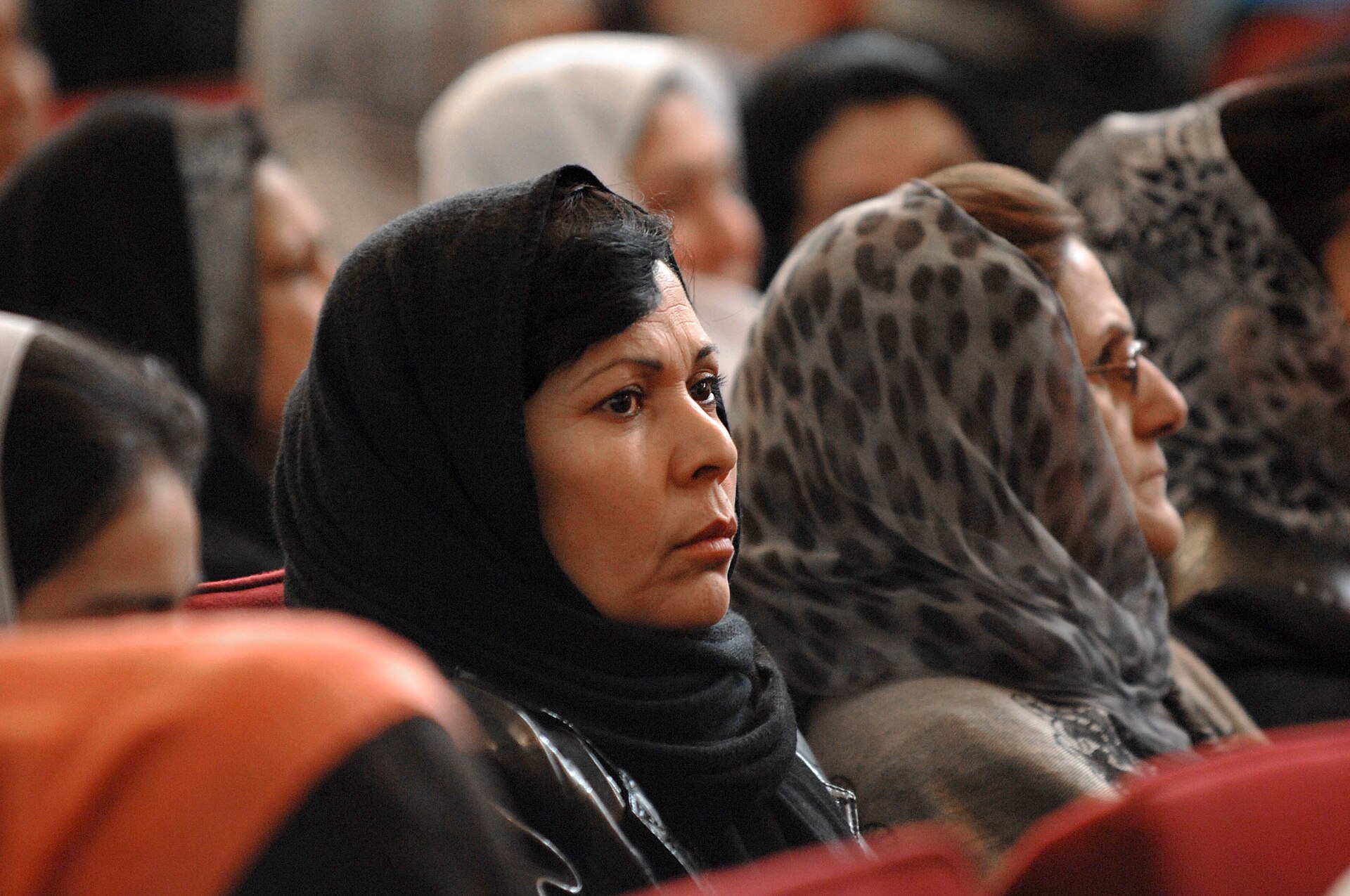
As the EU and European governments deepen engagement with the Taliban on migration, the systematic persecution of Afghan women risks being pushed aside despite growing international efforts to pursue accountability.
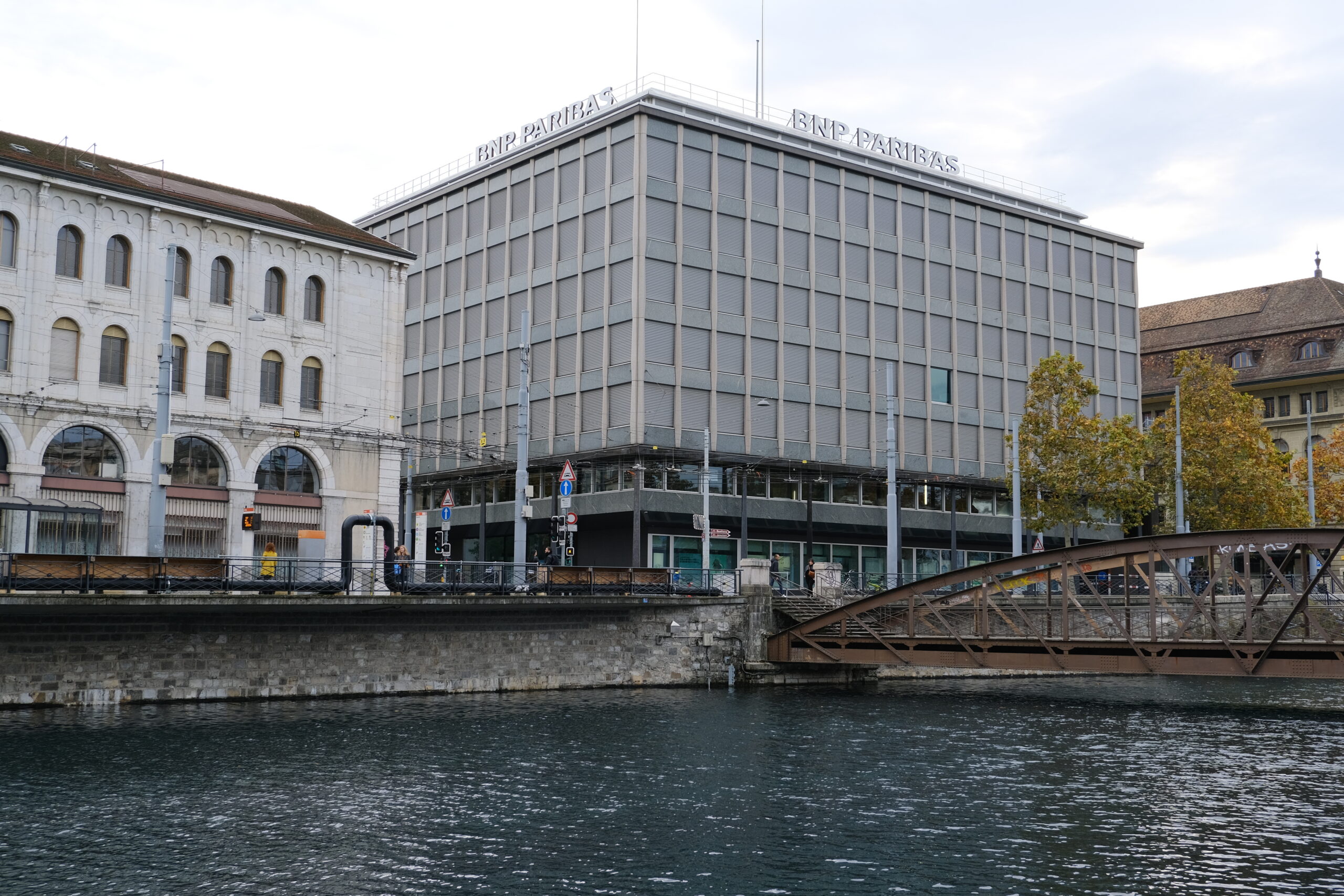
The BNP Paribas case raises wider questions about Switzerland’s approach to the accountability of economic actors linked to international crimes, writes Alain Werner, director of Civitas Maxima.
At a time of growing political pressure on the international justice system, recent developments in Austria, Kenya and Liberia show why accountability still matters and why justice remains a vital source of hope for victims.
The fundamental difference between an ordinary crime and an international crime lies in their very nature: international crimes are deemed so grave that they concern the international community as a whole.

On May 2, 2024, Joseph Nyuma Boakai signed Executive Order No. 131 establishing the Office of the War and Economic Crimes Court (OWECC).
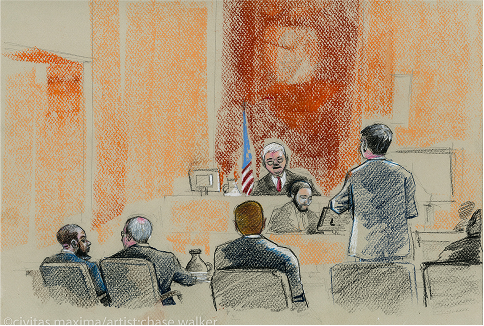
In spring 2025, Civitas Maxima was alerted to the fact that Mohamed Jabateh had lodged another appeal in his case. This was surprising because we had been under the impression that his case was final.

The United Nations holds millions of pieces of evidence on ISIS crimes in Iraq, some of which could help incriminate dual nationals now in Europe—if lawyers and victims were able to access them, writes Alain Werner, director of Civitas Maxima.

Until early September 2014, the very existence of Civitas Maxima, founded in 2012, was known to almost no one. None of our cases were public, we had only a tiny team, and no one was responsible for communications.

OPINION. Three examples of Iranian quests for justice demonstrate that civil society can effectively mobilize international law when states prove unable to protect victims of crimes, writes lawyer Alain Werner.

Many have noted that the current President of the U.S. is actively undermining the international legal system that his country once helped to establish. A very clear demonstration of this was the United States’ recent aggression against Venezuela.

U.S. sanctions against its judges and prosecutors, contempt for its authority: attacks against the International Criminal Court continue relentlessly.